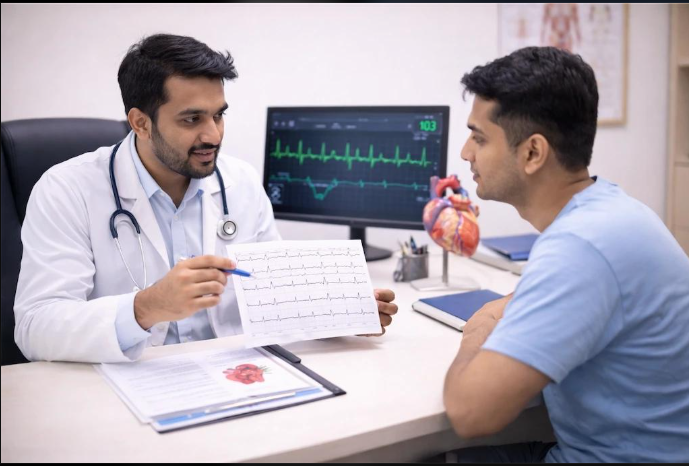
An electrocardiogram (ECG or EKG) is a common medical test used to check the electrical activity of the heart. It helps doctors understand how quickly the heart beats, whether its rhythm is regular, and whether there are signs that may suggest certain heart conditions. An ECG is quick, painless, and widely available in hospitals, clinics, and diagnostic centres.
Many people feel nervous before undergoing an ECG test, especially if it is their first time. However, preparing for the test is usually simple. Most patients do not need to fast or make major changes to their daily routine before a standard resting ECG.
In this article, we explain how to prepare for an ECG test, what to wear, whether you can eat before the test, what happens during the procedure, and what to expect afterwards.
1. What Is an ECG Test?
An ECG test records the electrical signals that control the heartbeat. Healthcare professionals place small adhesive electrodes on the chest, arms, and legs. These electrodes are connected to an ECG machine, which records the heart’s electrical activity and produces a graph for a healthcare professional to interpret.
Doctors may recommend an ECG when a person experiences symptoms such as chest discomfort, palpitations, dizziness, shortness of breath, or fainting. It may also be performed as part of a routine assessment, before certain operations, or when monitoring a known heart condition.
An ECG can help identify abnormal heart rhythms and provide clues about certain heart problems. However, a normal ECG does not rule out every heart condition, and additional tests may be necessary depending on the patient’s symptoms.
2. Do You Need to Fast Before an ECG Test?
In most cases, you do not need to fast before a standard resting ECG test. You can usually eat and drink normally unless your doctor or diagnostic centre gives you different instructions.
However, if your ECG is scheduled alongside other medical investigations, such as certain blood tests or a fasting blood glucose test, you may need to follow separate preparation instructions for those tests.
It is best to confirm the requirements when booking your appointment. Do not skip meals unnecessarily, especially if you have a medical condition that requires regular food intake or medication.
3. Avoid Strenuous Exercise Before the Test
Before a resting ECG, avoid intense physical activity immediately before your appointment. Running, heavy exercise, or rushing to the hospital may temporarily increase your heart rate and affect your resting measurements.
Try to arrive early enough to sit quietly and relax before the procedure. Your healthcare professional may ask you to rest for several minutes before recording the ECG.
You can generally continue your normal daily activities, but follow any specific instructions provided by your doctor.
If you are undergoing an exercise ECG or stress test rather than a standard resting ECG, the preparation may be different. The clinic may provide specific instructions about exercise, meals, caffeine, and medication.
4. Wear Comfortable Clothing
Choosing suitable clothing can make an ECG appointment easier.
Wear loose, comfortable clothes that allow easy access to your chest, wrists, and ankles. A top that can be removed easily or adjusted without difficulty may be helpful.
You may be asked to remove your shirt or change into a hospital gown so that the electrodes can be placed correctly on your chest. Healthcare professionals should provide appropriate privacy and covering.
Avoid wearing complicated clothing that takes a long time to remove. If you wear jewellery around your wrists or ankles, you may be asked to remove it temporarily if it interferes with electrode placement.
5. Keep Your Skin Clean and Dry
Proper skin contact is important for obtaining a clear ECG recording.
Before your appointment, take your usual bath or shower and ensure your skin is clean and dry. Avoid applying heavy body lotions, oils, creams, or powders to your chest and limbs immediately before the test because these products can interfere with the adhesion of the electrodes.
If you have a hairy chest, do not shave it yourself unless the healthcare team has specifically advised you to do so. If necessary, staff can prepare a small area of skin to improve electrode contact.
Inform the technician if you have sensitive skin or an allergy to adhesive materials.
6. Tell Your Doctor About Your Medicines
Most patients can continue their regular medicines before a standard ECG. However, certain medications can influence heart rate or rhythm, which may be important when interpreting the results.
Tell your doctor or healthcare professional about all medicines you take, including prescription medicines, over-the-counter products, vitamins, and supplements.
Do not stop taking prescribed medicines simply because you are having an ECG. Only change your medication routine if your healthcare professional specifically instructs you to do so.
If the ECG is part of a stress test or another specialised cardiac investigation, you may receive additional medication instructions. These instructions can differ from those for a standard resting ECG.
7. Should You Avoid Tea, Coffee, or Energy Drinks?
For a standard resting ECG, patients are not usually required to avoid all caffeine. However, caffeine can temporarily affect heart rate and may trigger palpitations in some people.
If your doctor is investigating episodes of a racing heartbeat, ask whether you should avoid coffee, strong tea, energy drinks, or other stimulants before the test.
For an exercise ECG or stress test, the diagnostic centre may specifically ask you to avoid caffeine for a particular period. Follow the instructions given by the healthcare team rather than assuming that every ECG requires the same preparation.
You should also tell your doctor if you smoke or use nicotine products, particularly if these may affect the symptoms being investigated.
8. What Happens During an ECG Test?
A standard resting ECG is usually straightforward and painless.
The procedure generally involves the following steps:
- Registration: You arrive at the hospital or diagnostic centre and provide the required information.
- Preparation: A technician explains the procedure and asks you to lie comfortably on an examination bed.
- Electrode placement: Small adhesive electrodes are attached to your chest, arms, and legs.
- Recording: You are asked to remain still and breathe normally while the machine records your heart’s electrical activity.
- Completion: The electrodes are removed, and you can usually return to your normal activities.
The recording itself often takes only a few minutes. The entire appointment may take longer because of registration, preparation, and any consultation with the doctor.
An ECG does not normally involve injections, needles, or electric shocks. You may feel slight discomfort when adhesive electrodes are removed, particularly if you have sensitive skin.
9. How Long Does It Take to Get ECG Results?
An ECG recording is produced immediately, but the time required to receive an explanation of the results depends on the facility and whether a doctor needs to review them.
In many clinics, a healthcare professional can review a standard ECG shortly after the test. In other situations, the recording may be sent to a doctor or cardiologist for interpretation.
The results may indicate a normal rhythm or show changes that require further investigation. An abnormal result does not always mean that a serious heart problem is present, and a normal result does not exclude every possible cardiac condition.
Your doctor will interpret the ECG alongside your symptoms, medical history, physical examination, and any other relevant investigations.
10. What Should You Bring to an ECG Appointment?
Preparing the necessary documents can make your appointment easier.
Consider bringing:
- Your doctor’s referral or test request, if applicable.
- Identification and hospital registration documents.
- Previous ECG reports, if available.
- A list of your current medicines.
- Relevant medical reports and information about existing heart conditions.
- Health insurance or payment documents, if required.
If you have experienced chest pain, palpitations, dizziness, or fainting, tell the healthcare professional when the symptoms started, how long they lasted, and whether anything seemed to trigger them.
This information may help the doctor interpret the ECG and decide whether additional tests are needed.
11. Are There Any Risks Associated With an ECG Test?
A standard ECG is generally considered safe and painless. It does not use ionising radiation and does not send electricity into the body.
Most patients experience no problems. Occasionally, removing the adhesive electrodes may cause mild skin irritation, redness, or discomfort.
The main limitation is that an ECG records the heart’s electrical activity during a short period. Some heart rhythm problems occur intermittently and may not appear during the recording. If symptoms continue despite a normal ECG, your doctor may recommend a Holter monitor, an event monitor, blood tests, or other investigations.
12. Frequently Asked Questions About ECG Preparation
Can I eat before an ECG test?
Yes. Most standard resting ECG tests do not require fasting. Follow any separate instructions if you are having additional tests at the same appointment.
Can I drink water before an ECG?
Yes. Drinking water is generally permitted before a standard resting ECG.
How long does an ECG test take?
The recording usually takes a few minutes, although the complete appointment may take longer.
Do I need to remove my clothes?
You may need to remove or adjust your top so the electrodes can be placed correctly. The healthcare team should provide suitable privacy and a gown or covering where needed.
Can I take my regular medicines before an ECG?
Most patients can continue their usual medicines, but you should follow your doctor’s instructions. Never stop prescribed medication without medical advice.
Can an ECG detect a heart attack?
An ECG can show changes that suggest a heart attack, but it cannot detect every heart attack on its own. Doctors may also use symptoms, blood tests such as troponin, and other investigations.
Is an ECG painful?
No. The test is generally painless. You may feel a little discomfort when adhesive electrodes are removed.
Conclusion
Preparing for an ECG test is usually simple. Most people can eat and drink normally, continue their usual activities, and take their prescribed medicines unless their healthcare professional gives different instructions. Wearing comfortable clothing, keeping the skin clean and dry, avoiding strenuous exercise immediately beforehand, and arriving early can help the test go smoothly.
An ECG is a valuable tool for assessing the heart’s electrical activity, but its results must be interpreted in the context of the patient’s symptoms and medical history. Follow your healthcare professional’s instructions and ask questions if you are unsure about any part of the preparation.
Important health advice: If you have new or severe chest pain, significant difficulty breathing, fainting, or other symptoms that could indicate a heart attack, seek emergency medical care immediately rather than waiting for a routine ECG appointment.