Amoxicillin Tablet – Uses, Dosage, Benefits & Side Effects Guide
Introduction
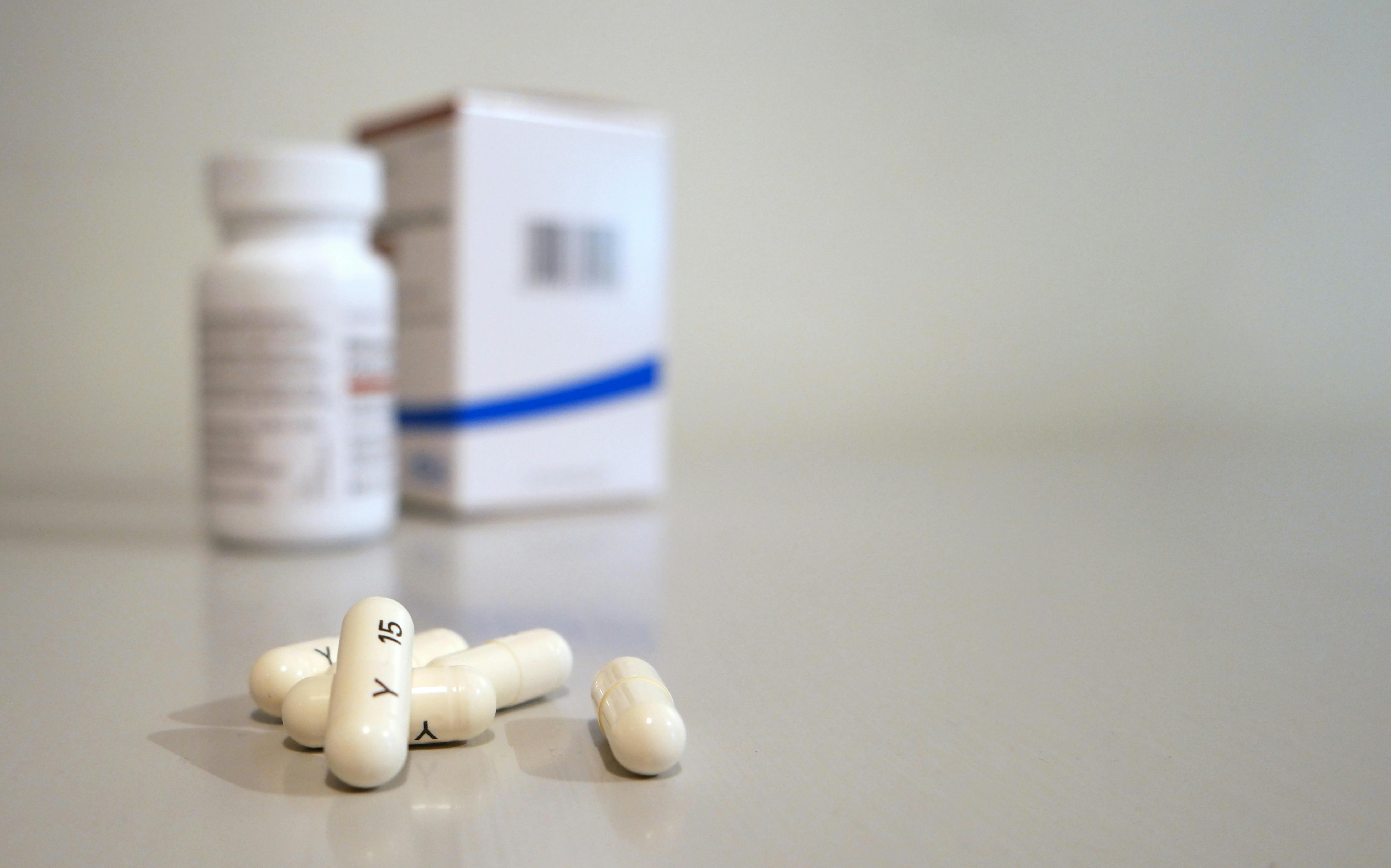
Amoxicillin Tablet is a commonly used antibiotic medicine that helps treat a wide range of bacterial infections. It belongs to the penicillin group of antibiotics and is widely prescribed by doctors due to its effectiveness and safety profile. This medicine is used for infections affecting different parts of the body, including the throat, lungs, ears, and urinary tract.
Bacterial infections can cause symptoms such as fever, pain, swelling, and discomfort. Amoxicillin works by stopping the growth of bacteria, allowing the body’s immune system to fight off the infection more effectively. It is important to use this medicine only when prescribed, as misuse can lead to antibiotic resistance.
Amoxicillin is widely available and is often considered a first-line treatment for many common infections. However, proper dosage and medical guidance are essential for safe and effective use.
What is Amoxicillin?
Basic Overview
Amoxicillin is an antibiotic that fights bacteria in the body. It is used to treat various bacterial infections and is known for its broad-spectrum activity, meaning it works against a wide range of bacteria.
It is available in different forms, including tablets, capsules, and syrups, making it suitable for both adults and children.
How It Works
Amoxicillin works by interfering with the formation of bacterial cell walls. This weakens the bacteria and eventually kills them, helping to eliminate the infection.
Key Feature
It is highly effective and commonly used for both mild and moderate infections.
Uses of Amoxicillin
Medical Applications
- Throat infections
- Ear infections
- Lung infections
- Urinary tract infections
- Skin infections
Daily Importance
It is widely used in hospitals and clinics due to its effectiveness in treating common infections.
Dosage Guidelines
Recommended Dose
The dosage depends on the type and severity of infection and should be taken as prescribed by a doctor.
Maximum Limit
Do not exceed the prescribed dose to avoid side effects.
Safety Tip
Complete the full course even if symptoms improve.
Benefits
Main Advantages
- Effective against many infections
- Widely available
- Safe when used correctly
- Suitable for different age groups
Why It is Important
It helps prevent complications from untreated infections.
Side Effects
Common Side Effects
- Nausea
- Diarrhea
- Skin rash
Serious Risks
Serious side effects are rare but may include allergic reactions.
Emergency Signs
Seek medical help if you experience severe allergic reactions.
Precautions
Safety Guidelines
- Take as prescribed
- Avoid self-medication
- Consult doctor if allergic
Special Cases
People allergic to penicillin should avoid this medicine.
Long-Term Use
Avoid unnecessary use to prevent antibiotic resistance.
How Fast Does Amoxicillin Work?
Amoxicillin starts working soon after the first dose, but noticeable improvement may take 1 to 2 days. Completing the course ensures full recovery.
Can Amoxicillin Be Taken Without Food?
It can be taken with or without food, but taking it with food may reduce stomach upset.
Why Completing the Course is Important?
Stopping early may allow bacteria to survive and become resistant.
Who Should Avoid Amoxicillin?
People allergic to penicillin or with certain medical conditions should consult a doctor.
Storage and Safety Tips
Store in a cool, dry place away from sunlight and children.
Can Amoxicillin Be Taken Daily?
Amoxicillin Tablet is generally prescribed for short-term use to treat bacterial infections. It is not meant for long-term daily use unless specifically advised by a doctor. The duration of treatment usually depends on the type and severity of the infection, and it is commonly prescribed for a period ranging from a few days to a couple of weeks.
Taking Amoxicillin daily without medical supervision can lead to unnecessary side effects and may contribute to antibiotic resistance. This means that bacteria may become resistant to the medicine, making it less effective in future treatments. Therefore, it is important to follow the prescribed dosage and duration carefully.
What Should You Avoid While Taking Amoxicillin?
While taking Amoxicillin, certain precautions should be followed to ensure its effectiveness. It is advisable to avoid alcohol, as it may increase the risk of side effects such as dizziness or stomach upset. Additionally, do not skip doses, as this can reduce the effectiveness of the treatment and delay recovery.
It is also important to avoid self-medication or combining Amoxicillin with other antibiotics without consulting a doctor. Proper use ensures better results and reduces the chances of complications.
Can Amoxicillin Treat Viral Infections?
Amoxicillin is an antibiotic that works only against bacterial infections. It is not effective in treating viral infections such as the common cold, flu, or viral fever. Using antibiotics unnecessarily can be harmful and may lead to antibiotic resistance, which is a serious global health concern.
Always consult a doctor to determine whether your condition is caused by bacteria or viruses before taking any antibiotic. Proper diagnosis ensures correct treatment and faster recovery.
What Happens If You Miss a Dose?
If you miss a dose of Amoxicillin, take it as soon as you remember. However, if it is close to your next scheduled dose, skip the missed one and continue with your regular dosing schedule. Do not take a double dose to make up for the missed one, as this may increase the risk of side effects.
Maintaining a consistent dosing schedule is important to keep the level of medicine stable in the body. This helps the antibiotic work effectively and ensures complete elimination of the infection.
When to Consult a Doctor?
You should consult a doctor if your symptoms do not improve within a few days of starting Amoxicillin or if they worsen. Persistent symptoms may indicate that the infection is resistant or requires a different treatment approach.
Immediate medical attention is necessary if you experience severe side effects such as allergic reactions, breathing difficulty, or severe diarrhea. Early consultation helps prevent complications and ensures proper medical care.
Conclusion
Amoxicillin Tablet is a powerful antibiotic used to treat bacterial infections effectively. It should be used responsibly.
Always follow your doctor’s advice for safe and effective treatment.