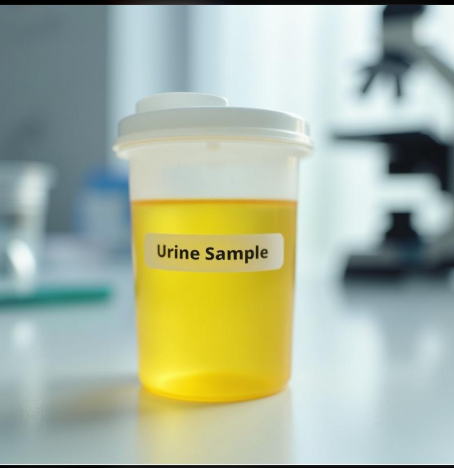
A urine test is one of the most common medical tests used to evaluate a person’s health. Doctors may recommend it to check for urinary tract infections, kidney problems, diabetes, dehydration, and other medical conditions. It is a simple and generally painless procedure that involves collecting a urine sample in a special container for laboratory analysis.
Although urine testing is straightforward, proper preparation is important for obtaining accurate results. Certain foods, medicines, supplements, physical activities, and collection methods can affect the sample or influence how the results are interpreted.
If you have been asked to provide a urine sample, understanding what to prepare before the test can help you avoid common mistakes. This guide explains how to prepare, whether fasting is required, how to collect a clean sample, and what to expect after the test.
1. Understand Which Type of Urine Test You Need
Before preparing for a urine test, confirm which type of test your doctor has requested. Different urine tests have different preparation requirements.
Common types include:
Routine urinalysis: This test examines the appearance and chemical composition of urine and may include microscopic examination. It can help identify signs of infection, kidney problems, blood in the urine, or other abnormalities.
Urine culture: This test checks whether bacteria or other microorganisms grow from the sample. Doctors commonly recommend it when a urinary tract infection is suspected.
Urine protein or albumin test: This test measures protein or albumin in the urine and may be used to assess kidney health, particularly in people with diabetes or high blood pressure.
Urine pregnancy test: This test detects human chorionic gonadotropin (hCG), a hormone produced during pregnancy.
24-hour urine test: This requires collecting all urine passed over a complete 24-hour period to measure specific substances. The laboratory provides detailed collection and storage instructions.
Because preparation differs between tests, always read the laboratory instructions or ask your healthcare provider what is required.
2. Do You Need to Fast Before a Urine Test?
In most cases, fasting is not necessary before a routine urine test. You can generally eat and drink as usual unless your doctor or laboratory gives you different instructions.
However, if the urine test is part of a broader health checkup that includes blood tests, fasting may be required for those other tests. Confirm the instructions for the entire set of investigations rather than assuming every test has the same requirements.
For a routine urine sample, maintaining your usual hydration is generally best. Drinking excessive amounts of water immediately before providing the sample can dilute the urine and potentially affect certain measurements.
Follow the laboratory’s instructions if a specific type of urine test requires a particular collection time or other preparation.
3. Drink the Right Amount of Water
Staying normally hydrated helps you produce a urine sample without unnecessarily diluting it. You do not usually need to drink extra water before a routine urine test.
Drinking too much water shortly before collection may reduce the concentration of substances in the urine. This can affect some test results and may make certain abnormalities harder to detect.
On the other hand, dehydration can produce concentrated urine and change its appearance or some measured values.
The best approach is to drink water according to your usual needs. If you are unable to urinate when you arrive at the laboratory, ask the staff whether you can drink some water and wait before collecting the sample.
Do not deliberately dehydrate yourself or drink excessive quantities of water to produce a sample quickly.
4. Follow Proper Hygiene Before Collecting the Sample
Clean collection is particularly important when testing for a urinary tract infection or other conditions where contamination can affect the results.
Wash your hands thoroughly with soap and water before handling the sample container. Follow the laboratory’s instructions for cleaning the genital area before collection.
For a typical clean-catch urine sample:
- Women may be instructed to separate the labia and clean the area from front to back.
- Men may be instructed to clean the tip of the penis and retract the foreskin if applicable.
- Use the cleansing materials supplied by the laboratory when provided.
- Avoid touching the inside of the container or its lid.
These steps help reduce contamination from skin cells and bacteria that naturally live around the genital area.
Do not use antiseptic products or disinfectants unless specifically instructed, as inappropriate products may affect the sample.
5. Collect a Midstream Urine Sample Correctly
For many routine urine tests and urine cultures, healthcare professionals request a clean-catch midstream sample.
This means you begin urinating into the toilet, collect urine partway through the flow, and finish urinating into the toilet.
Follow these steps:
Step 1: Prepare the container. Use the sterile or clean container supplied or approved by the laboratory. Do not use an ordinary household bottle.
Step 2: Begin urinating. Start passing urine into the toilet for a few seconds.
Step 3: Collect the sample. Without stopping the flow, move the container into position and collect the amount requested by the laboratory.
Step 4: Finish urinating. Move the container away and finish passing urine into the toilet.
Step 5: Close the container. Secure the lid without touching the inside of the container or lid.
Step 6: Label and deliver the sample. Follow the laboratory’s instructions for labeling and handover.
If you accidentally touch the inside of the container or contaminate the sample, ask the laboratory whether you should collect another one.
Not every urine test requires a midstream sample, so follow the instructions given for your specific investigation.
6. Should You Collect the First Urine of the Morning?
The first urine passed in the morning is often useful because it may be more concentrated after several hours without urination. Some tests, including certain pregnancy tests and urine protein assessments, may benefit from a first-morning sample.
However, first-morning urine is not required for every routine urine test. A urine culture or urinalysis can often be performed using a sample collected at another time, depending on the laboratory’s instructions.
If your doctor has specifically requested a morning sample, collect it as instructed. Otherwise, ask the laboratory whether the timing matters for your test.
For a home pregnancy test, following the manufacturer’s instructions is important. First-morning urine can be especially helpful when testing early in pregnancy because hCG levels may be more concentrated.
7. Inform Your Doctor About Medicines and Supplements
Before providing a urine sample, tell your doctor about any prescription medicines, over-the-counter medicines, vitamins, and herbal supplements you take.
Certain substances can change urine colour or affect some test measurements. For example, some vitamin supplements may make urine appear bright yellow, while some medicines can alter its colour or influence laboratory findings.
Antibiotics are particularly relevant when a urine culture is requested. If you have already started antibiotics, tell your doctor and the laboratory because treatment may affect the likelihood of detecting bacteria.
Do not stop prescribed medicines or delay necessary treatment on your own before a urine test. Your healthcare provider can tell you whether any medicine-related precautions are necessary.
8. Tell the Laboratory About Menstruation or Possible Contamination
Menstrual blood can contaminate a urine sample and may affect the detection of blood or other abnormalities. If you are menstruating, tell your doctor or laboratory staff before collection.
Depending on the reason for testing, the sample may still be collected, or the laboratory may recommend another time if postponing the test is medically appropriate.
Do not delay urgent investigations simply because you are menstruating. Follow your healthcare provider’s advice, particularly if you have symptoms such as fever, pain, or difficulty passing urine.
Also mention any unusual discharge or other circumstances that might make clean collection difficult.
9. Special Preparation for a 24-Hour Urine Test
A 24-hour urine test is different from an ordinary urine test because all urine passed during a specified 24-hour period must be collected.
The laboratory will usually provide a collection container and detailed instructions. Some tests require special storage conditions, such as refrigeration, while others may use a container containing a preservative.
A typical collection process involves emptying your bladder at the specified starting time and discarding that first sample, then collecting all urine passed during the following 24 hours, including the final sample at the same time the next day.
For example, if collection starts at 7:00 a.m., the final collection is usually made at 7:00 a.m. the following day.
This is only a general example. Follow the exact instructions from your laboratory because requirements differ by test. Missing a sample or collecting outside the specified period can affect the results. If you miss a collection, contact the laboratory for advice rather than guessing how to proceed.
10. How Soon Should You Submit the Urine Sample?
Urine samples should generally be delivered to the laboratory promptly after collection. Delays can allow bacteria to multiply or cause changes in certain urine components.
If immediate delivery is not possible, ask the laboratory whether refrigeration or another storage method is required and how long the sample remains suitable for testing.
Do not assume that every sample should be refrigerated, particularly if the collection container contains a preservative or the test has special storage requirements.
For samples collected at home, write down the collection time if requested and follow the laboratory’s instructions for transport.
11. What Happens After the Urine Test?
Once the sample reaches the laboratory, trained staff analyse it according to the requested investigation.
A routine urinalysis may involve checking the colour and appearance of urine, using a test strip to measure certain chemical substances, and examining the sample under a microscope when indicated.
A urine culture takes longer because microorganisms may need time to grow before the laboratory can identify them. Some routine urine test results may be available the same day, while cultures and specialised investigations may take longer.
Your doctor will explain the findings and determine whether additional testing or treatment is needed. An abnormal result does not always mean that you have a serious medical condition. Results must be interpreted alongside your symptoms, medical history, and the reason the test was ordered.
Frequently Asked Questions
1. Can I eat before a urine test?
Yes, for most routine urine tests you can eat normally. Follow any special instructions from your doctor or laboratory, particularly if blood tests are being performed at the same time.
2. How much water should I drink before a urine test?
Drink water normally according to your usual needs. Avoid drinking excessive amounts immediately before collection because this can dilute the urine.
3. Can I take medicines before a urine test?
Usually, you should continue taking prescribed medicines unless your doctor instructs otherwise. Inform your healthcare provider about all medicines and supplements you use.
4. Is the first urine of the morning better?
It can be useful for certain tests, including some pregnancy and protein assessments, but it is not necessary for every urine test. Follow the instructions for your particular test.
5. Can I collect urine at home?
Yes, many laboratories allow home collection for suitable tests. Use the correct container, follow clean-catch instructions where applicable, and deliver the sample within the specified time.
6. What should I avoid before a urine test?
Avoid excessive water intake and follow any food, medication, or collection instructions provided by your healthcare professional. Do not stop prescribed medicines or make major dietary changes unless advised.
7. How long does a urine test take?
Collecting a routine sample usually takes only a few minutes. The time required to receive results depends on the type of test and the laboratory. A urine culture commonly takes longer than a basic urinalysis.
Conclusion
Preparing properly before a urine test helps improve sample quality and supports reliable laboratory results. For most routine urine tests, fasting is unnecessary, and you can continue your normal diet and hydration unless you receive different instructions.
The most important steps are to confirm the type of test, use the correct container, maintain proper hygiene, collect the sample as instructed, and deliver it to the laboratory promptly. Inform your doctor about medicines, supplements, menstruation, or antibiotics when relevant.
If you are unsure about the collection process or whether you need a morning sample, contact your diagnostic laboratory before collecting the urine. Following the correct preparation instructions can help your healthcare provider obtain useful results and make appropriate decisions about your care.
Leave a Reply