Author: admin

  • Which is the best doctor in Patna?

    Which is the best doctor in Patna?

    Patna, the capital of Bihar, is one of the major healthcare centres in eastern India. The city has government hospitals, private hospitals, multispecialty centres, and specialist clinics that provide medical services for different health conditions. Whether someone needs a general health checkup, treatment for a serious illness, surgery, or emergency care, Patna offers several options.

    However, choosing the best doctor in Patna depends on the patient’s medical condition, the doctor’s qualifications, experience, speciality, and the type of treatment required. A doctor who is highly experienced in heart diseases may not be the right choice for a skin problem or a bone injury. Therefore, it is important to identify the right specialist rather than relying only on popularity or online ratings.

    This article explains how to find a suitable doctor in Patna, the different medical specialities available, important factors to consider, and tips for preparing for a medical appointment.

    Who Is the Best Doctor in Patna?

    There is no single doctor who can be considered the best for every medical condition. The most suitable doctor depends on the patient’s symptoms, diagnosis, and treatment needs.

    For common health problems such as fever, cough, weakness, mild infections, and digestive discomfort, a qualified general physician may be an appropriate starting point. For more complicated conditions, the patient may need to consult a specialist such as a cardiologist, neurologist, orthopaedic surgeon, dermatologist, or cancer specialist.

    Patients should consider the doctor’s medical qualifications, relevant experience, registration, communication skills, and access to appropriate diagnostic facilities. Online reviews may help when comparing options, but they should not be the only basis for choosing a doctor.

    Best Types of Doctors in Patna for Different Health Conditions

    1. General Physician

    A general physician is often the first medical professional to consult for common health problems. These doctors assess symptoms, examine patients, prescribe appropriate treatment, and recommend specialist consultations when necessary.

    General physicians commonly treat fever, infections, high blood pressure, diabetes, stomach problems, and other everyday medical conditions. If the cause of the symptoms is unclear, starting with a general physician can help determine the next steps.

    2. Cardiologist

    A cardiologist specialises in diseases of the heart and blood vessels. Patients with heart-related symptoms or conditions such as hypertension, coronary artery disease, irregular heartbeat, and heart failure may need a cardiologist’s assessment.

    When selecting a cardiologist in Patna, patients should check the doctor’s specialist qualifications, experience with the relevant condition, and access to appropriate cardiac investigations. Chest pain, severe breathing difficulty, or sudden collapse may require immediate emergency care rather than a routine appointment.

    3. Neurologist

    A neurologist diagnoses and treats disorders of the brain, spinal cord, and nerves. Conditions may include migraine, epilepsy, nerve disorders, Parkinson’s disease, and certain causes of persistent dizziness or weakness.

    Patients should look for a neurologist with appropriate specialist training and experience relevant to their symptoms. Sudden facial drooping, difficulty speaking, sudden weakness on one side of the body, or a sudden severe headache can indicate a medical emergency and require immediate hospital assessment.

    4. Orthopaedic Doctor

    An orthopaedic doctor treats problems affecting bones, joints, muscles, ligaments, and tendons. People with fractures, back pain, knee pain, arthritis, sports injuries, or joint problems may benefit from an orthopaedic consultation.

    Before selecting an orthopaedic specialist, patients should consider whether the doctor regularly treats their particular condition and whether physiotherapy, imaging, or surgical services may be required.

    5. Dermatologist

    A dermatologist specialises in diseases affecting the skin, hair, and nails. Patients commonly consult dermatologists for acne, eczema, fungal infections, hair loss, rashes, and other skin conditions.

    It is important to avoid using prescription creams or strong skin treatments without appropriate medical advice. A qualified dermatologist can examine the problem, identify its likely cause, and recommend suitable treatment.

    6. Cancer Specialist

    An oncologist provides care for patients with cancer. Depending on the diagnosis, cancer treatment may involve chemotherapy, radiation therapy, surgery, immunotherapy, or a combination of treatments.

    Patients should look for a specialist or cancer centre with experience in the particular type of cancer and access to the investigations and treatments required. Getting a second medical opinion can also be helpful when considering a major treatment decision.

    7. Gynaecologist

    A gynaecologist specialises in women’s reproductive health. Patients may consult a gynaecologist for menstrual problems, pregnancy-related care, fertility concerns, pelvic pain, menopause symptoms, and other reproductive health conditions.

    The right doctor should explain the available options clearly, respect the patient’s concerns, and provide appropriate care based on individual needs.

    Hospitals Where Patients Can Seek Medical Care in Patna

    Patna has several public and private healthcare facilities. The appropriate hospital depends on the patient’s condition, required speciality, location, budget, and whether the situation is an emergency.

    Examples of facilities patients may investigate include:

    Patna Medical College and Hospital (PMCH): A major government medical institution that provides a range of medical services. Patients should confirm the relevant department, outpatient registration process, and current consultation arrangements before visiting.

    Indira Gandhi Institute of Medical Sciences (IGIMS): A medical institute in Patna offering specialist healthcare services. Patients should check the relevant department and appointment requirements for their condition.

    Paras HMRI Hospital: A private multispecialty hospital in the Raja Bazar area of Patna. Patients can contact the hospital to confirm whether the required specialist is available and what consultation arrangements apply.

    Jay Prabha Medanta Super Speciality Hospital: A multispecialty hospital in the Kankarbagh area of Patna. Patients can enquire about the relevant department, doctor availability, and treatment facilities.

    These are examples of healthcare facilities, not a definitive ranking of the best hospitals or doctors. Availability, fees, and services can change, so patients should confirm the latest information directly with the institution.

    How to Choose the Best Doctor in Patna

    Choosing a doctor requires more than looking at advertisements or online ratings. The following factors can help patients make a more informed decision.

    Check Medical Qualifications and Registration

    Confirm that the doctor has recognised medical qualifications and appropriate registration. Patients can use official medical registration resources, including the National Medical Register and the Bihar Council of Medical Registration, to help verify professional credentials where the relevant information is available.

    Consider Experience in the Required Speciality

    A doctor’s experience should match the patient’s medical needs. For example, someone with a heart condition should seek an appropriately qualified cardiologist, while a patient with a complicated fracture may need an orthopaedic surgeon experienced in that type of injury.

    Read Patient Reviews Carefully

    Online reviews may provide information about communication, appointment arrangements, waiting times, and patient experiences. However, reviews do not always establish medical competence or treatment outcomes. Look for consistent information across different sources instead of relying on one review or a star rating.

    Compare Consultation Fees

    Consultation fees vary according to the doctor, speciality, hospital, and type of appointment. Patients should ask about the consultation fee, follow-up charges, diagnostic costs, and whether additional procedures may require separate payment.

    Government hospitals may offer lower-cost services, although waiting times and appointment availability can differ. Private hospitals may provide different appointment arrangements and facilities, but their charges can be higher.

    Check Location and Availability

    Consider how far the clinic or hospital is from home, how appointments are booked, and whether follow-up visits will be convenient. For patients who need regular treatment, a conveniently located facility can make ongoing care easier.

    Evaluate Communication and Comfort

    A good doctor should listen carefully, explain the possible diagnosis and treatment options, and answer reasonable questions. Patients should feel comfortable discussing symptoms, medical history, medications, and concerns without feeling rushed or dismissed.

    How to Book an Appointment With a Doctor in Patna

    Booking an appointment is usually straightforward, but the exact process depends on the hospital or clinic.

    First, identify the speciality required and shortlist a suitable doctor. Contact the hospital reception, use the institution’s official website or appointment service if available, or visit the outpatient registration counter.

    Before confirming the appointment, ask about the doctor’s consultation hours, registration requirements, consultation fee, and whether previous medical reports are needed.

    On the day of the appointment, carry identification if required, previous prescriptions, laboratory reports, imaging results, and a list of current medicines. Explain the symptoms clearly, including when they began, how often they occur, and whether they have become worse.

    Patients should follow the doctor’s advice and ask for clarification if any instruction or medication schedule is unclear.

    When Should You Visit a Doctor Immediately?

    Some health conditions require urgent medical attention. Seek emergency care for symptoms such as severe chest pain, serious difficulty breathing, sudden weakness or difficulty speaking, uncontrolled bleeding, severe allergic reactions, loss of consciousness, or major injuries.

    Do not delay emergency treatment while searching for online reviews or waiting for a routine appointment. In India, 112 is the national emergency response number. Patients should also use the nearest appropriate emergency department when urgent care is needed.

    Conclusion

    Finding the best doctor in Patna begins with understanding the patient’s medical needs. A general physician may be suitable for common illnesses, while specialised conditions may require a cardiologist, neurologist, orthopaedic doctor, dermatologist, oncologist, or another specialist.

    Patients should verify medical qualifications and registration, consider relevant experience, review patient feedback carefully, compare fees, and confirm appointment availability. Hospitals such as PMCH, IGIMS, Paras HMRI Hospital, and Jay Prabha Medanta Super Speciality Hospital are examples of facilities where patients can investigate appropriate medical services.

    Ultimately, the best doctor is not necessarily the most famous or the highest-rated. It is the appropriately qualified medical professional who can assess the patient’s condition, explain treatment options, and provide suitable care based on the patient’s individual needs.
  • What are some important first aid safety tips?

    What are some important first aid safety tips?

    First aid is the immediate assistance provided to someone who is injured or suddenly becomes ill before professional medical help arrives. It plays an important role in emergencies because quick and appropriate action can help protect the injured person, prevent their condition from worsening, and sometimes save their life.

    Accidents can happen at home, in schools, workplaces, on roads, or in public places. Common emergencies include cuts, burns, falls, choking, bleeding, fainting, and sudden medical problems. Knowing basic first aid safety tips can help people respond calmly and responsibly when an emergency occurs.

    However, first aid must be provided safely. An untrained person who acts without assessing the situation may unintentionally put themselves or the injured person at greater risk. Understanding how to assess an emergency, protect yourself, call for help, and provide appropriate assistance is therefore essential.

    This article explains important first aid safety tips, common emergency situations, essential first aid supplies, and mistakes to avoid when helping an injured person.

    1. Check the Scene Before Providing First Aid

    The first and most important first aid safety tip is to check whether the surrounding area is safe before approaching the injured person.

    An emergency scene may contain hazards such as traffic, fire, smoke, exposed electrical wires, broken glass, chemicals, or unstable structures. Entering a dangerous area without proper protection could result in additional injuries.

    Before providing assistance, look around carefully and identify any immediate dangers. If the area is unsafe, keep your distance and contact the appropriate emergency services.

    For example, if someone has been injured in a road accident, avoid walking into moving traffic. If an electrical appliance has injured someone, do not touch the person until the electricity has been safely switched off.

    Remember: Your safety is important. You cannot effectively help another person if you also become injured.

    2. Call Emergency Services When Necessary

    One of the most important first aid safety tips is knowing when to seek professional medical assistance.

    Some injuries can be treated with basic first aid, while others require immediate emergency care. Call emergency services if someone is unconscious, is not breathing normally, has severe bleeding, experiences severe breathing difficulties, or shows signs of a stroke or heart attack.

    In the United Kingdom, call 999 or 112 for emergencies. In India, call 112 for emergency assistance. In other countries, use the local emergency number.

    When calling for help, provide clear information about your location, the nature of the emergency, the number of injured people, and any immediate dangers.

    Follow the emergency call handler’s instructions. They may guide you through CPR or other essential steps while professional help is on the way.

    Do not delay calling for help while attempting treatments that are beyond your training.

    3. Wash Your Hands and Use Protective Equipment

    Good hygiene is essential when providing first aid because contact with blood, vomit, or other body fluids can expose both the helper and the injured person to infection.

    Whenever possible, wash your hands with soap and water before and after providing first aid. If handwashing facilities are unavailable, use an alcohol-based hand sanitizer when appropriate.

    Wear disposable gloves when dealing with blood, open wounds, or body fluids. Eye protection or other protective equipment may be necessary when splashes are possible.

    Avoid direct contact with another person’s blood. If you have cuts or broken skin on your hands, cover them with a waterproof dressing before providing assistance.

    After helping an injured person, dispose of contaminated materials safely and clean any affected surfaces according to appropriate hygiene guidance.

    4. Stay Calm and Reassure the Injured Person

    Emergencies can be frightening, and injured people may feel anxious, confused, or distressed. Remaining calm can help you think clearly and provide appropriate assistance.

    Approach the person carefully, introduce yourself if possible, and explain what you are doing. Speak in a reassuring voice and avoid making promises about the outcome.

    If the person is conscious, ask what happened and whether they are experiencing pain or other symptoms. Listen carefully and respect their privacy.

    Avoid crowding the injured person with unnecessary onlookers. If other people are present, ask someone specific to call emergency services or retrieve the first aid kit.

    Clear communication and a calm approach can make it easier to assess the situation and provide safe support.

    5. Check Whether the Person Is Responsive and Breathing Normally

    After confirming that the scene is safe, check the injured person’s responsiveness.

    Speak loudly and clearly, asking whether they can hear you. If there is no response, check whether they are breathing normally.

    If the person is unresponsive and is not breathing normally, including if they are only gasping, call emergency services and begin CPR according to your training or the emergency call handler’s instructions. Ask someone to bring an automated external defibrillator (AED) if one is available.

    If the person is unresponsive but breathing normally, place them in the recovery position when appropriate, provided there is no suspected spinal injury or other reason that makes movement unsafe. Monitor their breathing continuously and be prepared to begin CPR if it becomes abnormal.

    If a serious head, neck, or spinal injury is suspected, avoid unnecessary movement. However, maintaining an open airway takes priority, so follow emergency dispatcher instructions.

    6. Control Severe Bleeding Safely

    Severe bleeding can become life-threatening within a short period. Applying appropriate pressure to a bleeding wound can help control blood loss while emergency assistance is arranged.

    If it is safe to do so, wear disposable gloves and apply firm, continuous direct pressure to the wound using sterile gauze or a clean cloth.

    If blood soaks through the dressing, do not repeatedly remove the original dressing to inspect the wound. Continue applying pressure and follow emergency guidance about adding dressings.

    If an object is embedded in the wound, do not remove it. Apply pressure around the object rather than directly on it.

    For life-threatening bleeding from an arm or leg, a commercial tourniquet may be appropriate if one is available and you know how to use it, or if an emergency dispatcher guides you. Do not loosen a tourniquet once it has been applied.

    Call emergency services for severe or uncontrolled bleeding. Do not delay seeking help while attempting to manage a major injury yourself.

    7. Treat Burns and Scalds Correctly

    Burns may result from hot liquids, flames, steam, chemicals, or electricity. The correct first aid response depends on the cause and severity of the injury.

    For a thermal burn, cool the affected area under cool running water for approximately 20 minutes as soon as possible. Remove nearby jewellery and clothing unless it is stuck to the skin.

    Do not apply ice, butter, toothpaste, oils, or other household substances to a burn. These may damage the skin or interfere with treatment.

    After cooling, loosely cover the burn with an appropriate sterile, non-fluffy dressing or clean material. Do not burst blisters or pull away material stuck to the skin.

    Large, deep, chemical, electrical, or otherwise serious burns require urgent medical assessment. For chemical burns, protect yourself from exposure, remove contaminated clothing when safe, and follow emergency guidance on decontamination.

    8. Do Not Move Someone With a Suspected Serious Injury Unnecessarily

    After a fall, road accident, or major impact, the injured person may have damage to their neck, spine, or other bones even if the injury is not immediately obvious.

    Avoid moving the person unnecessarily if a serious injury is suspected. Encourage them to remain still and support their head in the position found if it is safe to do so.

    Do not attempt to straighten a suspected broken bone or force an injured limb into position. Immobilization and further treatment should be guided by appropriate training and professional advice.

    There are exceptions to keeping a person still. If the scene is dangerous or the person’s airway is threatened, movement may be necessary to protect life. Follow emergency dispatcher instructions whenever possible.

    9. Handle Choking Emergencies Carefully

    Choking occurs when an object blocks the airway and prevents normal breathing. It can be particularly dangerous because the person may become unconscious quickly.

    If the person can cough forcefully, speak, or breathe, encourage them to continue coughing and monitor them closely.

    If an adult or child over one year old has severe choking and cannot speak, breathe, or cough effectively, call emergency services or ask someone nearby to do so. Give up to five back blows, checking after each one. If these do not work, give up to five abdominal thrusts. Alternate between the two methods until the obstruction clears or the person becomes unresponsive.

    Do not perform abdominal thrusts on infants under one year old. Infant choking requires age-appropriate back blows and chest thrusts.

    If a choking person becomes unresponsive, carefully lower them to a firm surface and begin CPR according to your training and the emergency call handler’s instructions.

    Never perform a blind finger sweep inside the mouth. Remove an object only if it is clearly visible and can be taken out safely.

    10. Know What to Do During a Seizure

    A seizure can cause involuntary movements, loss of awareness, or temporary confusion. Although seizures can be frightening to witness, the priority is to prevent injury.

    Move nearby objects away from the person and protect their head with something soft if possible. Loosen tight clothing around the neck and observe how long the seizure lasts.

    Do not restrain the person, hold their limbs down, or place anything in their mouth. A person cannot swallow their tongue, and putting objects in their mouth can cause injury or block the airway.

    When the seizure ends, check their breathing. If they are unconscious but breathing normally, place them in the recovery position when appropriate and monitor them.

    Call emergency services if it is the person’s first seizure, the seizure lasts five minutes or longer, another seizure follows without recovery, the person has difficulty breathing, they are seriously injured, or the seizure occurs in water. Follow any individual seizure emergency plan if one is available.

    11. Keep a Well-Stocked First Aid Kit

    A properly stocked first aid kit helps people respond to common injuries more effectively.

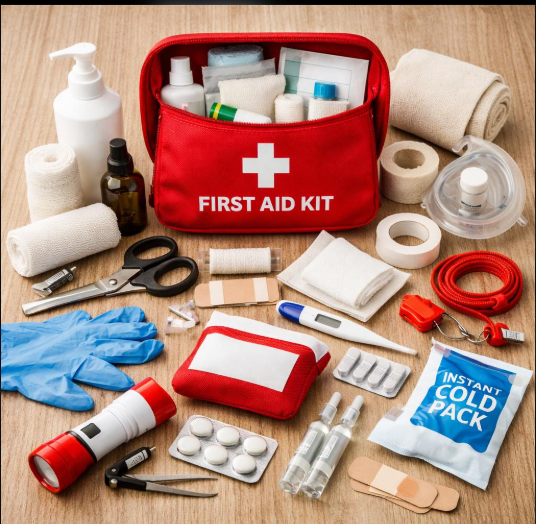
    Essential supplies may include:

    • Adhesive plasters in different sizes.
    • Sterile gauze pads and wound dressings.
    • Roller bandages and triangular bandages.
    • Disposable gloves.
    • Medical adhesive tape.
    • Antiseptic wipes for appropriate use.
    • Scissors and tweezers.
    • A digital thermometer.
    • A CPR face shield or breathing barrier.
    • A cold pack.
    • Emergency contact information.
    • A first aid instruction guide.

    The contents should be suitable for the location and the people who may need assistance. Workplaces, schools, vehicles, and homes may require different supplies.

    Check the kit regularly, replace used items, and remove expired or damaged products. Store it in a clean, dry place that is accessible to responsible adults but kept away from young children.

    12. Avoid Giving Food, Drinks, or Unnecessary Medication

    Do not automatically give food, water, or medication to someone who has been injured or suddenly become ill.

    An unconscious person or someone with a reduced level of awareness may choke if given anything by mouth. People with certain injuries or medical conditions may also need urgent procedures that require an empty stomach.

    Do not give another person’s prescription medication or recommend medication beyond your training. If the person has a known medical condition, follow their established emergency plan when appropriate.

    For suspected poisoning, do not induce vomiting or give home remedies unless instructed by a qualified poison specialist or emergency professional.

    Contact emergency services or a poison information service when poisoning is suspected, and provide details about the substance, amount, and time of exposure if known.

    13. Recognize the Signs of a Stroke or Heart Attack

    Recognizing the warning signs of serious medical emergencies can help people obtain treatment sooner.

    A stroke may cause sudden facial drooping, weakness or numbness in one arm, or difficulty speaking. Other warning signs include sudden loss of vision, severe dizziness, or a sudden severe headache.

    Remember the FAST approach:

    • Face: Ask the person to smile and check for facial drooping.
    • Arms: Ask them to raise both arms and check whether one arm falls.
    • Speech: Ask them to repeat a simple sentence and listen for slurred or unusual speech.
    • Time: Call emergency services immediately if any of these signs appear.

    A heart attack may cause chest pressure or discomfort, pain spreading to the arm, jaw, back, or shoulder, breathlessness, sweating, nausea, or lightheadedness.

    Not everyone experiences the same symptoms. If a heart attack or stroke is suspected, seek emergency help immediately rather than waiting for symptoms to disappear.

    14. Learn CPR and How to Use an AED

    Cardiopulmonary resuscitation (CPR) is an emergency procedure used when a person is unresponsive and not breathing normally.

    For an adult, hands-only CPR involves pushing hard and fast in the centre of the chest at a rate of approximately 100–120 compressions per minute. Trained rescuers should follow their CPR training, including rescue breaths when appropriate.

    An automated external defibrillator (AED) analyses the heart rhythm and advises whether a shock is needed. Follow its spoken instructions and ensure nobody touches the person when the device is analysing or delivering a shock.

    Do not delay CPR while waiting for an AED to arrive. If possible, ask another person to retrieve the device while you provide assistance.

    Taking a certified first aid and CPR course is one of the best ways to develop the skills and confidence needed to respond to emergencies.

    15. Monitor the Injured Person Until Help Arrives

    Providing first aid does not end after the initial treatment. Continue observing the person’s condition until professional help takes over or it is safe to stop.

    Watch for changes in breathing, alertness, skin colour, pain, or bleeding. If symptoms worsen, inform emergency services and follow their instructions.

    Keep the person as comfortable as possible without moving them unnecessarily. Protect them from extreme cold or heat and explain what is happening.

    If the person becomes unresponsive or stops breathing normally, reassess the situation and begin the appropriate emergency response.

    When paramedics arrive, explain what happened, the symptoms you observed, the first aid you provided, and any relevant information the person shared.

    16. Avoid Common First Aid Mistakes

    Even when people have good intentions, incorrect first aid can worsen an injury or delay necessary treatment.

    Common mistakes to avoid include:

    • Entering a dangerous scene without assessing the risks.
    • Delaying emergency medical assistance.
    • Moving a person with a suspected spinal injury unnecessarily.
    • Applying ice directly to a burn.
    • Putting objects in the mouth of someone having a seizure.
    • Giving food or water to an unconscious person.
    • Removing an embedded object from a wound.
    • Applying a tourniquet incorrectly or loosening one after application.
    • Using unverified home remedies for serious injuries.
    • Assuming a person is fine because they appear calm or have no obvious injuries.

    When you are unsure what to do, call emergency services and follow the instructions provided by the call handler.

    17. Make First Aid Safety a Regular Practice

    First aid preparedness should be part of everyday safety at home, school, and work.

    Keep emergency numbers readily available, know the location of first aid kits and AEDs, and ensure that family members or colleagues know how to request help.

    Parents and caregivers should keep medicines, chemicals, sharp objects, and other hazardous items safely stored. Employers should provide appropriate first aid supplies and arrange training according to workplace requirements.

    It is also important to refresh first aid knowledge periodically because recommended techniques and guidance may change.

    Learning first aid before an emergency happens makes it easier to respond calmly and correctly when someone needs help.

    Frequently Asked Questions (FAQs)

    1. What is the most important first aid safety tip?

    The first priority is to check whether the scene is safe. Once it is safe to approach, assess the person’s condition and call emergency services when necessary.

    2. What should I do before touching an injured person?

    Check for hazards, use protective equipment such as disposable gloves when available, and obtain consent if the person is conscious and able to respond. If they are unresponsive, assess their condition and provide appropriate emergency assistance.

    3. What should every first aid kit contain?

    A basic kit should contain plasters, sterile dressings, gauze, bandages, disposable gloves, adhesive tape, scissors, and other supplies appropriate to the setting. It should be checked and restocked regularly.

    4. Should I move an injured person after an accident?

    Avoid unnecessary movement if a serious head, neck, back, or bone injury is suspected. Move the person only when necessary to escape immediate danger or protect their airway, and follow emergency dispatcher instructions.

    5. When should I call emergency services?

    Call immediately for life-threatening situations, including severe bleeding, unconsciousness, abnormal breathing, serious choking, suspected stroke, suspected heart attack, or major injuries.

    6. Can first aid replace professional medical treatment?

    No. First aid provides immediate assistance and helps stabilize a situation, but it does not replace professional diagnosis, emergency treatment, or follow-up care.

    Conclusion

    First aid safety tips are essential for protecting injured people and responding effectively to emergencies. Important practices include checking the scene for danger, calling emergency services when necessary, using protective equipment, controlling severe bleeding, treating burns correctly, recognizing serious medical symptoms, and learning CPR.

    It is equally important to avoid unsafe actions, such as moving someone with a suspected spinal injury unnecessarily, giving food or drinks to an unconscious person, or using unverified home remedies.

    Everyone can benefit from learning basic first aid through recognized training. With the right knowledge, preparation, and calm decision-making, people can provide safer assistance, reduce the risk of additional harm, and help ensure that injured or ill individuals receive appropriate medical care.

    Disclaimer: This article provides general educational information and is not a substitute for practical first aid training or professional medical advice. In an emergency, contact the local emergency service and follow the call handler’s instructions.

  • What is the equipment used in ICU?

    What is the equipment used in ICU?

    An Intensive Care Unit (ICU) is a specialized department in a hospital where patients with serious illnesses, life-threatening injuries, or complications after surgery receive continuous medical attention. Patients admitted to the ICU often require close monitoring, advanced life-support systems, and specialized equipment to maintain essential body functions and support recovery.

    ICU equipment plays a vital role in modern healthcare because it helps doctors and nurses monitor patients’ conditions, deliver oxygen, support breathing, administer medications, and respond quickly to medical emergencies. The type of equipment used depends on the patient’s medical condition, age, and treatment requirements.

    Understanding the equipment used in an ICU helps patients, families, healthcare students, and caregivers learn how critical care works. This article explains the most common ICU equipment, its functions, and why each device is important in patient care.

    1. Patient Monitor

    A patient monitor is one of the most important pieces of equipment in an ICU. It continuously displays vital signs, allowing healthcare professionals to observe changes in a patient’s condition.

    Patient monitors commonly measure heart rate, blood pressure, oxygen saturation, respiratory rate, and body temperature, depending on the device and connected sensors.

    The monitor displays information on a screen and may produce alarms when readings fall outside configured limits. These alarms alert healthcare professionals to possible problems that require assessment.

    For example, if a patient’s oxygen level drops or their heart rate changes significantly, the monitor can alert the ICU team so that they can investigate and respond.

    Patient monitors are particularly important for people with severe infections, heart conditions, breathing difficulties, and complications following major surgery.

    2. Mechanical Ventilator

    A mechanical ventilator is a life-support machine that helps patients breathe when they cannot breathe adequately on their own.

    The machine delivers air, usually with a controlled concentration of oxygen, through a breathing tube placed into the windpipe or through an appropriate non-invasive breathing interface.

    Ventilators are commonly used for patients with severe respiratory failure, serious lung infections, major injuries, or complications following surgery.

    A ventilator can support breathing while doctors treat the underlying medical condition. Healthcare professionals adjust its settings according to the patient’s needs and monitor for complications.

    Not every ICU patient requires a ventilator. Some patients can breathe independently but need oxygen or other forms of respiratory support.

    3. Oxygen Supply System

    Oxygen supply systems provide additional oxygen to patients who have low blood oxygen levels or need respiratory support.

    In an ICU, oxygen may be supplied through a central hospital oxygen system, oxygen cylinders, or specialized equipment. It can be delivered through nasal cannulas, face masks, high-flow nasal oxygen systems, or ventilators.

    Oxygen therapy is useful for patients experiencing breathing difficulties, pneumonia, certain heart conditions, or other illnesses that affect oxygen levels.

    Healthcare professionals determine the appropriate oxygen concentration and delivery method based on the patient’s condition and oxygen measurements. Oxygen must be used carefully because excessive oxygen can also be harmful in some circumstances.

    4. Infusion Pump

    An infusion pump is a medical device that delivers fluids, medications, and other prescribed solutions into a patient’s bloodstream at a controlled rate.

    ICU patients may require continuous administration of medicines such as sedatives, pain relief, antibiotics, or medications that support blood pressure. Infusion pumps help ensure that these treatments are delivered accurately.

    Some pumps are designed for general intravenous fluids, while others are specialized for particular medications or delivery requirements.

    Because certain ICU medications require precise dosing, infusion pumps are essential for safe and controlled treatment. Nurses regularly check the pump settings, tubing, medication supply, and infusion site.

    5. Syringe Pump

    A syringe pump is a device that uses a syringe to deliver small amounts of medication at a carefully controlled rate.

    It is especially useful when a patient needs a medication delivered continuously or in very small doses. Examples include certain pain-relief medicines, sedatives, and medications used to support circulation.

    Syringe pumps are often used alongside other infusion devices in the ICU. They allow healthcare professionals to administer prescribed medications with a high degree of control.

    The syringe, medication, tubing, and pump settings must be checked according to hospital safety procedures.

    6. Defibrillator

    A defibrillator is an emergency medical device used to treat certain dangerous heart rhythm disturbances.

    During some life-threatening arrhythmias, such as ventricular fibrillation or pulseless ventricular tachycardia, a defibrillator delivers an electrical shock to help restore an effective heart rhythm.

    Defibrillators may be manual or automated, depending on their design and intended use. In an ICU, trained healthcare professionals use them as part of emergency resuscitation when indicated.

    A defibrillator is not used for every abnormal heart rhythm or every cardiac arrest. Its use depends on the rhythm identified and established resuscitation protocols.

    This equipment is essential because some dangerous heart rhythms require immediate treatment to improve the patient’s chance of survival.

    7. Suction Machine

    A suction machine removes mucus, blood, saliva, and other secretions from the airway or certain body cavities when necessary.

    Some critically ill patients cannot clear their airways effectively because they are unconscious, weak, or receiving mechanical ventilation.

    Suction equipment helps healthcare professionals maintain airway cleanliness and support effective breathing. It may be connected to specialized catheters used to remove secretions from the mouth, nose, or breathing tube.

    Suctioning must be performed by trained staff using appropriate techniques because unnecessary or improper suctioning can cause injury or complications.

    8. Electrocardiogram (ECG) Machine

    An electrocardiogram machine records the electrical activity of the heart. It helps healthcare professionals identify abnormal heart rhythms and other possible signs of heart problems.

    In an ICU, ECG monitoring is often incorporated into the bedside patient monitor through electrodes attached to the patient’s chest and limbs.

    A separate 12-lead ECG machine may also be used when a more detailed recording is required, such as when doctors investigate suspected heart attacks or certain cardiac abnormalities.

    ECG equipment is particularly important for patients with cardiovascular disease, serious electrolyte disturbances, and conditions that may affect heart function.

    9. Blood Pressure Monitoring Equipment

    Blood pressure monitoring equipment measures the pressure of blood flowing through the arteries.

    In the ICU, blood pressure may be measured using an inflatable cuff or an invasive arterial line. The appropriate method depends on the patient’s condition and the need for continuous monitoring.

    An arterial line consists of a small catheter placed into an artery by trained healthcare professionals. It provides continuous blood pressure measurements and can also be used to collect arterial blood samples.

    Continuous invasive monitoring is often useful for patients with severe shock, unstable blood pressure, or certain major illnesses and operations.

    Blood pressure readings help doctors assess circulation and determine whether treatments are working effectively.

    10. Pulse Oximeter

    A pulse oximeter estimates the percentage of hemoglobin in the blood carrying oxygen. This measurement is known as peripheral oxygen saturation, or SpO2.

    The device commonly uses a sensor attached to a finger, toe, or another suitable location. Some ICU monitors incorporate pulse oximetry into their monitoring systems.

    Pulse oximeters help healthcare professionals detect low oxygen levels and assess the response to oxygen therapy.

    However, pulse oximetry has limitations. Poor circulation, movement, certain skin-related factors, and other technical issues can affect accuracy. In some situations, an arterial blood gas test is needed for a more complete assessment.

    11. Hospital Bed and Pressure-Relieving Mattress

    ICU beds are specially designed to support seriously ill patients and make nursing care easier.

    Many ICU beds have adjustable positions, side rails, height controls, and mechanisms that help healthcare professionals reposition patients safely.

    Pressure-relieving mattresses help distribute body weight and reduce the risk of pressure injuries in patients who cannot move independently.

    Regular repositioning, skin assessments, and appropriate pressure-relieving equipment are important because prolonged immobility can cause skin damage and other complications.

    Some advanced beds also include weighing systems and other features that assist with patient care.

    12. Hemodialysis and Continuous Renal Replacement Therapy (CRRT) Machines

    Some ICU patients develop acute kidney injury, a condition in which the kidneys suddenly lose some or all of their normal filtering ability.

    Dialysis equipment may be used to remove waste products and excess fluid from the blood when the kidneys cannot perform these functions adequately.

    Conventional hemodialysis removes waste and fluid over a treatment period. Continuous renal replacement therapy, or CRRT, performs similar functions more gradually over an extended period and is often considered for critically ill patients who may not tolerate rapid fluid shifts.

    These treatments require specialized equipment and trained staff. The choice of therapy depends on the patient’s circulation, kidney function, fluid balance, and overall medical condition.

    13. Blood Gas Analyzer

    A blood gas analyzer measures important components of a blood sample, including acidity (pH), oxygen, and carbon dioxide. Depending on the analyzer, it may also measure other values such as bicarbonate and electrolytes.

    Blood gas testing helps doctors evaluate how effectively a patient is breathing, whether the body is maintaining the correct acid-base balance, and how severe certain respiratory or metabolic problems may be.

    For example, a patient with severe breathing difficulties may need a blood gas test to determine whether carbon dioxide is accumulating in the blood.

    These measurements can guide decisions about oxygen therapy, ventilator support, and other treatments.

    14. Portable X-Ray Machine

    Portable X-ray machines allow healthcare professionals to obtain imaging at the patient’s bedside without transporting a critically ill patient to the radiology department.

    Bedside X-rays may be used to assess lung conditions, check the position of certain medical tubes and lines, and investigate complications such as a collapsed lung.

    Portable imaging is particularly useful for patients who are too unstable to move safely.

    The decision to perform an X-ray depends on the clinical situation, and radiation safety procedures must be followed.

    15. Ultrasound Machine

    Ultrasound machines use sound waves to produce images of internal organs, blood vessels, and other body structures.

    In the ICU, ultrasound may help doctors assess heart function, examine the lungs, detect fluid around organs, evaluate blood vessels, and guide the placement of certain catheters.

    Bedside ultrasound can provide useful information quickly without requiring a patient to leave the ICU.

    Its usefulness depends on the question being investigated and the expertise of the healthcare professional performing and interpreting the examination.

    16. Central Oxygen and Medical Gas Systems

    ICUs often have wall outlets connected to central hospital systems that supply oxygen and medical air. These systems allow respiratory equipment to operate without relying solely on individual cylinders.

    Other medical gas arrangements may be available depending on the hospital’s design and clinical requirements.

    The ICU may also have suction outlets connected to a central vacuum system for removing secretions and fluids.

    Medical gas and suction systems require regular inspection and maintenance to help ensure a reliable supply and safe operation.

    17. Emergency Crash Cart

    A crash cart is a mobile trolley containing equipment and supplies used during medical emergencies.

    Its contents vary by hospital, but it may include emergency medications, airway equipment, intravenous supplies, a manual resuscitation bag, and equipment for cardiac resuscitation.

    A defibrillator may be located on or near the crash cart.

    The crash cart allows the ICU team to access essential equipment quickly when a patient experiences cardiac arrest or another life-threatening emergency.

    Hospitals typically check crash carts regularly to confirm that required supplies are available, functional, and within their expiry dates.

    18. Nebulizer

    A nebulizer converts liquid medication into a mist that can be inhaled into the respiratory tract.

    It may be used to deliver certain medicines that help relieve airway narrowing or treat other respiratory problems.

    In an ICU, nebulized medications may be administered through a mask, mouthpiece, or a suitable respiratory circuit, depending on the patient’s breathing support and the prescribed treatment.

    A nebulizer is not required for every patient with a respiratory condition. The choice of treatment depends on the diagnosis and the healthcare professional’s assessment.

    19. Enteral Feeding Pump

    Critically ill patients may be unable to eat enough food by mouth because of unconsciousness, swallowing difficulties, or severe illness.

    An enteral feeding pump delivers liquid nutrition through a feeding tube into the stomach or small intestine at a prescribed rate.

    This equipment helps patients receive calories, protein, fluids, and other nutrients when oral feeding is unsafe or inadequate.

    Healthcare professionals monitor feeding tolerance, tube position according to the appropriate protocol, fluid balance, and nutritional requirements to reduce the risk of complications.

    20. Urinary Catheter and Urine Output Monitoring Equipment

    A urinary catheter is a flexible tube inserted into the bladder to drain urine when clinically necessary.

    In the ICU, it may be used for patients who cannot urinate normally or whose urine output needs to be measured accurately.

    Urine output can provide important information about kidney function, hydration, and circulation. It is often monitored closely in patients with shock, severe infections, kidney problems, or major surgery.

    Because urinary catheters can increase the risk of infection, they should only be used when indicated and removed as soon as they are no longer needed.

    21. Temperature Monitoring Equipment

    Temperature monitoring equipment helps detect fever, low body temperature, and changes associated with serious illness.

    Depending on the patient’s condition, temperature may be measured using skin, ear, oral, or other appropriate sensors. In selected critically ill patients, more specialized methods may be required.

    Changes in body temperature can occur with infections, environmental exposure, medication effects, or other medical conditions.

    Regular monitoring helps healthcare professionals assess a patient’s progress and identify problems that may require further investigation.

    22. Personal Protective Equipment (PPE)

    Personal protective equipment is essential for protecting patients and healthcare workers from infections and exposure to potentially infectious materials.

    Common PPE used in the ICU includes gloves, protective gowns, medical masks, respirators when indicated, and eye protection.

    The type of PPE required depends on the patient’s infection risks, the procedure being performed, and the hospital’s infection-prevention policies.

    Hand hygiene, appropriate cleaning, safe waste disposal, and correct PPE use are all important parts of ICU infection control.

    Why Is ICU Equipment Important?

    ICU equipment supports the delivery of specialized care to patients whose conditions may change rapidly. Each device has a particular role, but the equipment is most effective when combined with professional assessment and continuous nursing care.

    The major benefits of ICU equipment include:

    • Continuous monitoring: Helps healthcare professionals identify changes in vital signs.
    • Life support: Supports breathing and circulation when the body cannot function adequately on its own.
    • Accurate medication delivery: Allows controlled administration of prescribed drugs and fluids.
    • Early detection of complications: Helps the ICU team recognize potential problems and respond promptly.
    • Diagnostic support: Provides information about heart function, kidney function, oxygen levels, and other aspects of health.
    • Improved patient safety: Supports careful observation, infection prevention, and timely treatment.

    Although these devices are essential, they do not replace clinical judgment. Doctors, nurses, respiratory therapists, and other trained professionals must interpret the information and use the equipment appropriately.

    Who Operates ICU Equipment?

    ICU equipment is operated and monitored by trained healthcare professionals.

    Intensive care doctors assess patients, establish treatment plans, and make decisions about life-support measures. ICU nurses monitor vital signs, administer medication, provide personal care, and check equipment. Respiratory therapists, where available, help manage ventilators and other breathing support devices.

    Biomedical engineers and clinical engineering teams maintain, test, and repair medical equipment. Other specialists, including pharmacists, physiotherapists, dietitians, and renal care teams, may also contribute to treatment.

    Teamwork is essential because critically ill patients often need several types of treatment at the same time.

    Conclusion

    The Intensive Care Unit uses a wide range of specialized equipment to monitor, diagnose, and treat patients with serious medical conditions. Common examples include patient monitors, mechanical ventilators, oxygen supply systems, infusion pumps, defibrillators, suction machines, ECG machines, dialysis equipment, blood gas analyzers, and emergency crash carts.

    Each device serves a specific purpose, from supporting breathing and maintaining circulation to delivering medications and detecting changes in a patient’s condition. The exact equipment available depends on the hospital’s facilities and the needs of its patients.

    Most importantly, ICU equipment works alongside the knowledge and skills of trained healthcare professionals. Proper use, regular maintenance, infection control, and continuous patient assessment help ensure that these devices support safe and effective critical care.

  • How long does it take to recover from minor surgery?

    How long does it take to recover from minor surgery?

    Minor surgery is a medical procedure performed to diagnose, treat, or remove a health problem without requiring a major operation. Examples include removing a small skin lump, draining an abscess, removing a mole, treating an ingrown toenail, and performing certain types of biopsies. These procedures are often completed within a short period, and many patients can return home on the same day.

    One of the most common questions patients ask before undergoing a procedure is, how long does it take to recover from minor surgery? The answer depends on the type of surgery, the patient’s general health, the anesthesia used, and how well the surgical wound heals. While some people recover within a few days, others may need several weeks to heal completely.

    Understanding the recovery process helps patients prepare for surgery, manage discomfort, prevent complications, and return to their normal activities safely.

    How Long Does Recovery from Minor Surgery Usually Take?

    In most cases, recovery from minor surgery takes approximately a few days to two weeks, although complete wound healing can take longer depending on the procedure.

    For example, a patient who undergoes a small skin biopsy may resume normal daily activities within one or two days. Someone who has a minor procedure involving stitches may need one to two weeks before the wound is sufficiently healed for normal activities.

    The following table provides general recovery estimates for common minor surgical procedures.

    Type of Minor SurgeryTypical Initial Recovery
    Mole or small skin lesion removalA few days to 2 weeks
    Minor skin biopsyA few days to 1 week
    Ingrown toenail surgerySeveral days to 2 weeks
    Small abscess drainageA few days to 2 weeks
    Minor dental surgery1–3 days for initial recovery
    Minor hernia surgery1–2 weeks for light activities, sometimes longer
    Small wound repair with stitches1–2 weeks for initial healing

    These are general estimates, not guaranteed recovery times. Deeper wounds, complications, and procedures involving muscles or internal tissues may require considerably longer.

    Factors That Affect Recovery Time After Minor Surgery

    Although minor surgical procedures are generally associated with shorter recovery periods, several factors can influence how quickly a patient heals.

    1. Type of Surgery

    The type and location of the operation play an important role in recovery. A small procedure on the surface of the skin usually heals faster than one involving deeper tissues.

    For example, removing a small mole may cause only mild discomfort for a few days. However, removing a larger skin lesion may require stitches and additional wound care.

    Procedures involving the feet, joints, or areas that move frequently may also take longer to heal because movement can place pressure on the surgical wound.

    2. Age and General Health

    A patient’s age and general health can influence the healing process. People who are generally healthy may recover faster than those with certain underlying medical conditions.

    Conditions such as diabetes, poor circulation, and weakened immunity can slow wound healing and increase the risk of infection. Older adults may also require additional recovery time, although age alone does not determine how quickly someone heals.

    3. Type of Anesthesia

    Minor surgery may be performed using local anesthesia, regional anesthesia, or general anesthesia.

    Local anesthesia numbs the area being treated while the patient remains awake. Recovery is often relatively quick, although numbness may continue temporarily after the procedure.

    General anesthesia makes the patient unconscious during surgery and may cause temporary tiredness, nausea, dizziness, or difficulty concentrating afterward. Patients should follow their discharge instructions and avoid driving until it is safe to do so.

    4. Wound Care

    Proper wound care is essential for successful recovery. Keeping the surgical area clean and following the healthcare professional’s instructions can reduce the risk of infection.

    Patients should change dressings as instructed, avoid unnecessary pressure on the wound, and use prescribed medicines correctly. They should not remove stitches, apply unapproved products, or expose the wound to soaking water unless their healthcare professional says it is safe.

    5. Lifestyle and Nutrition

    A balanced diet, adequate hydration, and sufficient sleep support the body’s natural healing process.

    Foods containing protein, vitamins, and minerals help repair damaged tissues. Eggs, fish, beans, lean meat, vegetables, fruits, and whole grains can contribute to a healthy recovery.

    Smoking can slow wound healing, while excessive alcohol consumption may interfere with recovery or interact with medication. Patients should follow medical advice about smoking, alcohol, and any medicines they take.

    What Happens During the Recovery Process?

    Recovery usually happens gradually. Knowing what to expect can help patients understand which symptoms are normal and when they may need medical attention.

    The First 24 Hours After Surgery

    During the first day, patients may experience mild pain, swelling, tenderness, or bruising around the surgical site. These symptoms are often part of the normal healing process.

    Patients should rest, follow the instructions provided by their healthcare team, and take recommended pain relief if necessary.

    If sedation or general anesthesia was used, a responsible adult may need to accompany the patient home and stay with them for the period specified by the medical team.

    Days 2–3 After Surgery

    Many patients begin to feel better within two or three days. Pain and swelling may decrease, and simple activities such as walking around the home may become easier.

    However, the surgical area may remain sensitive. Patients should avoid strenuous exercise, heavy lifting, or movements that place pressure on the wound until they receive appropriate guidance.

    Not every patient will feel significantly better by the third day. Recovery depends on the procedure and individual circumstances.

    Days 4–7 After Surgery

    During the first week, discomfort often continues to improve. Some patients can return to work or school if their activities are light and they feel well enough.

    The wound may begin to close, although the surface can still be delicate. Patients should continue following wound-care instructions and attend any scheduled follow-up appointments.

    If pain becomes worse instead of better, or redness and swelling increase, medical advice should be sought.

    Weeks 2–4 After Surgery

    Many small surgical wounds are substantially healed within two weeks, but deeper tissues may need additional time.

    Some patients can resume most normal activities during this period, depending on their procedure and their healthcare professional’s advice. Stitches may also need removal during this time, although the timing depends on their location and type.

    Even when the skin looks healed, the underlying tissue may still be recovering. Patients should return to strenuous activities gradually rather than assuming that the wound is completely healed.

    Tips to Recover Faster After Minor Surgery

    Although recovery cannot always be accelerated, following appropriate medical advice can support healing and reduce the risk of complications.

    Follow your doctor’s instructions. Every surgical procedure is different, so use the discharge instructions provided by your healthcare team as your primary guide.

    Keep the wound clean. Follow the recommended cleaning and dressing routine. Do not scrub the surgical site or use antiseptics, creams, or ointments unless advised.

    Get enough rest. Adequate sleep gives the body time to repair damaged tissue. Avoid overexertion during the first few days.

    Eat nutritious meals. Include protein-rich foods, fruits, vegetables, and other balanced food choices to support tissue repair.

    Manage pain appropriately. Take pain medication according to your clinician’s instructions. Ask a healthcare professional before starting new medicines, particularly if you take blood thinners or have other medical conditions.

    Avoid smoking. Smoking reduces oxygen delivery to tissues and can delay wound healing. Avoid smoking during recovery, ideally with support to stop completely.

    Return to activities gradually. Light walking may be appropriate after many procedures, but strenuous exercise and heavy lifting should wait until your healthcare professional confirms they are safe.

    What Are the Warning Signs of Complications After Minor Surgery?

    Most patients recover without serious problems. However, complications can occasionally occur, including wound infections, bleeding, or delayed healing.

    Contact your healthcare professional if you experience:

    • Increasing redness, warmth, or swelling around the wound.
    • Pain that becomes more severe instead of improving.
    • Pus, unusual discharge, or a persistent unpleasant smell from the wound.
    • Fever or chills.
    • A wound that opens or fails to heal as expected.
    • Bleeding that does not stop after applying firm, continuous pressure as instructed.

    Seek urgent medical attention for uncontrolled bleeding, difficulty breathing, chest pain, fainting, or rapidly worsening symptoms.

    Early medical assessment can help identify complications and ensure that appropriate treatment is provided.

    When Can You Return to Work or Normal Activities?

    The time required to return to work depends on the procedure, the patient’s recovery, and the type of job they perform.

    People with desk-based jobs may return within one to three days after some minor procedures, provided they feel well enough and are not affected by anesthesia or medication. People whose jobs involve heavy lifting, prolonged standing, physical labor, or repetitive movement may need additional time off.

    Driving should be avoided until the patient can move comfortably, react safely, and is no longer affected by sedatives or medicines that impair alertness. Specific instructions from the surgeon should always take priority.

    Patients should also ask when they can resume exercise, swimming, bathing, and sexual activity if these could affect the surgical wound.

    Does Minor Surgery Leave a Scar?

    Some minor surgical procedures leave a small scar, while others heal with little visible evidence. The final appearance depends on the size and depth of the wound, its location, the patient’s skin characteristics, and whether an infection develops.

    Scars may appear pink, red, or slightly raised during the early healing period. Their appearance often changes over several months and may continue improving for a year or longer.

    Once the wound has completely closed, a healthcare professional may recommend appropriate scar care, such as silicone gel or sheets, and protection from sunlight. Patients should not apply scar treatments to an open or unhealed wound.

    Frequently Asked Questions (FAQs)

    1. Can I recover from minor surgery in three days?

    Yes, some patients feel well enough to resume light daily activities within three days. However, complete wound healing usually takes longer, and the recovery period depends on the procedure.

    2. Is it normal to feel tired after minor surgery?

    Yes. Tiredness can occur after surgery because of the body’s healing response, disrupted sleep, pain, or anesthesia. Rest and gradual activity can help. Severe or persistent fatigue should be discussed with a healthcare professional.

    3. How long should I keep a dressing on after surgery?

    This depends on the wound and the type of dressing. Some dressings can be removed after 24–48 hours, while others must remain in place longer. Follow the instructions provided by your healthcare team.

    4. When can I exercise after minor surgery?

    Light walking may be possible soon after many minor procedures. More strenuous exercise may need to wait several days or weeks. Your surgeon can advise you based on the wound’s location and the procedure performed.

    5. When should I contact a doctor after minor surgery?

    Contact a healthcare professional if you develop worsening pain, increasing redness, pus, fever, persistent bleeding, or a wound that opens. Seek emergency care for severe symptoms such as difficulty breathing or uncontrolled bleeding.

    Conclusion

    Recovery from minor surgery generally takes a few days to two weeks for many common procedures, but complete healing may take several weeks or longer. The exact duration depends on the type of surgery, the patient’s health, wound care, and whether complications develop.

    Patients can support recovery by resting adequately, eating nutritious meals, keeping the wound clean, taking medication as directed, and gradually returning to normal activities. It is equally important to recognize warning signs and seek medical attention when symptoms worsen.

    The most important point is that minor surgery does not mean immediate recovery. Following your healthcare professional’s instructions and allowing sufficient time for healing can help you recover safely and return to your daily routine with confidence.

  • What are the 5 rules of wound dressing?

    What are the 5 rules of wound dressing?

    Wound dressing is an important part of wound care ause it helps protect injured skin, reduce the risk of infection, manage drainage, and support the body’s natural healing process. Proper wound dressing is essential in hospitals, clinics, and home care. Whether a wound results from a minor cut, surgery, an accident, or another injury, following appropriate wound care practices can help prevent complications and promote recovery.

    Understanding the five basic rules of wound dressing can help patients, caregivers, and healthcare workers maintain a clean wound environment and recognise when professional medical attention is necessary.

    What Is Wound Dressing?

    Wound dressing is the process of covering a wound with a suitable sterile or appropriately clean dressing to protect the injured area and support healing. Depending on the type of wound, dressing materials may include sterile gauze, non-adherent dressings, absorbent pads, or specialised wound products.

    The choice of dressing depends on the wound’s size, depth, location, amount of drainage, and whether infection or another complication is present. Some wounds require professional treatment, particularly surgical wounds, deep injuries, and wounds in people with diabetes or poor circulation.

    The 5 Rules of Wound Dressing

    1. Wash Your Hands and Maintain Cleanliness

    The first and most important rule of wound dressing is to maintain proper hand hygiene. Hands can carry microorganisms that may enter a wound and cause infection.

    Before touching the wound or preparing dressing materials, wash your hands thoroughly with soap and clean running water. Dry them with a clean towel. If you are a healthcare professional, follow the recommended hand hygiene procedure and use gloves and other protective equipment when appropriate.

    Prepare a clean working surface and gather the required dressing supplies before starting. Use sterile dressing materials when indicated, especially for surgical wounds and wounds requiring sterile technique.

    Avoid touching the part of a sterile dressing that will come into direct contact with the wound. If that surface becomes contaminated, replace the dressing with a new one.

    Maintaining cleanliness reduces the risk of introducing harmful microorganisms and helps protect the wound during the dressing procedure.

    2. Clean the Wound Properly

    The second rule is to clean the wound using an appropriate method. Cleaning helps remove dirt, loose debris, and excess drainage that could interfere with healing.

    For many minor wounds, gently rinsing with clean running water or sterile saline is appropriate. Follow any specific instructions provided by a healthcare professional, particularly for surgical wounds or wounds requiring specialised care.

    Avoid scrubbing the wound aggressively because this can damage delicate healing tissue. Do not routinely pour alcohol, hydrogen peroxide, or strong antiseptic solutions into an open wound unless specifically instructed by a qualified healthcare professional, as some products can irritate tissue and delay healing.

    If dirt or a foreign object is deeply embedded, do not attempt to remove it forcefully. Seek medical care.

    After cleaning, gently dry the surrounding skin with clean gauze if necessary. Avoid rubbing the wound itself. If the wound is deep, heavily contaminated, or associated with significant tissue damage, professional assessment may be needed.

    3. Use the Correct Dressing Material

    The third rule is to select a dressing appropriate for the wound. Different wounds require different levels of protection and moisture management.

    For example, a small superficial cut may need a sterile adhesive dressing, while a wound producing more fluid may require an absorbent dressing. A dressing that sticks to the wound can cause pain and damage new tissue when removed, so a non-adherent contact layer may be appropriate in certain situations.

    The dressing should protect the wound from contamination while allowing suitable moisture balance and absorbing excess drainage. It should also fit the wound properly without restricting circulation or movement.

    Avoid applying cotton fibres or materials that may leave particles inside the wound. Do not place powders, creams, antibiotics, or other products on a wound unless they are recommended for that particular injury.

    For surgical wounds, burns, pressure injuries, and diabetic foot wounds, follow the treatment plan provided by a healthcare professional rather than choosing a dressing based only on appearance.

    4. Change the Dressing at the Appropriate Time

    The fourth rule is to change the dressing according to the wound’s needs and the instructions provided by a healthcare professional.

    Some dressings can remain in place for several days, while others need more frequent changes. The correct interval depends on the dressing type, wound condition, amount of drainage, and the treatment plan.

    Change a dressing sooner if it becomes wet, dirty, loose, or saturated with drainage, following the relevant wound care instructions. Before removing the old dressing, wash your hands and prepare the replacement materials.

    Remove the dressing gently. If it sticks to the wound, follow the product instructions or seek advice about moistening it with an appropriate solution rather than pulling it away forcefully.

    After removal, observe the wound for changes in colour, swelling, drainage, odour, or pain. Clean the wound if instructed, then apply a fresh dressing using the recommended technique.

    Changing a dressing unnecessarily often can disturb healing tissue, while leaving a contaminated or saturated dressing in place can increase complications. Following an appropriate schedule helps balance protection and healing.

    5. Monitor the Wound and Watch for Signs of Infection

    The fifth rule is to check the wound regularly and recognise signs that may indicate a problem.

    During dressing changes, observe whether the wound appears to be healing and whether the surrounding skin has changed. Mild tenderness may occur with some injuries, but worsening symptoms should not be ignored.

    Possible signs of infection include:

    • Increasing redness or warmth around the wound.
    • Increasing swelling or pain.
    • Pus or a change in drainage.
    • An unpleasant smell that persists after appropriate cleaning.
    • Fever, chills, or feeling generally unwell.

    Seek prompt medical assessment if these symptoms develop. Rapidly spreading redness, severe pain, confusion, or signs of serious illness require urgent medical attention.

    People with diabetes, poor circulation, reduced immunity, or wounds that are not healing should seek professional advice early. A healthcare professional can assess the wound, determine whether additional treatment is necessary, and review tetanus vaccination when relevant.

    Monitoring is an essential part of wound dressing because early recognition of complications can prevent a minor injury from becoming a more serious problem.

    Additional Tips for Safe Wound Care

    In addition to these five rules, protect the wound from unnecessary friction and pressure. Keep the dressing secure but not so tight that it restricts blood flow. Follow instructions about bathing, physical activity, and the use of wound care products.

    If you are caring for someone else, explain the procedure before beginning and maintain their privacy and comfort. Record changes in the wound when ongoing professional care is required.

    Never ignore a wound that is deep, caused by a serious bite, contaminated with soil, or associated with uncontrolled bleeding. Apply firm direct pressure for significant bleeding and seek emergency assistance when necessary.

    Conclusion

    The five basic rules of wound dressing are maintaining hand hygiene, cleaning the wound properly, selecting the correct dressing, changing it at the appropriate time, and monitoring for signs of infection. Following these principles helps protect injured tissue and supports the natural healing process.

    However, not every wound can be safely managed at home. Deep, infected, surgical, or slow-healing wounds may require professional treatment. When in doubt, consult a qualified healthcare professional for guidance on the safest wound care approach.

    Medical disclaimer: This article is intended for general educational purposes and does not replace an individual wound assessment or professional medical advice.

  • What are the types of physiotherapy treatments?

    What are the types of physiotherapy treatments?

    Physiotherapy is a healthcare treatment that helps people improve movement, reduce pain, restore physical function, and recover from injuries, illnesses, or surgery. It is commonly used to manage conditions affecting the muscles, bones, joints, nerves, heart, and lungs.

    Many people seek physiotherapy after an accident, sports injury, stroke, joint replacement, or a period of reduced mobility. It can also help people manage long-term conditions such as arthritis, back pain, and certain neurological disorders.

    There are several types of physiotherapy treatments, and each serves a different purpose. The appropriate treatment depends on the patient’s condition, symptoms, age, physical abilities, and recovery goals. A physiotherapist assesses the patient before developing an individualized treatment plan.

    This article explains the main types of physiotherapy treatments, how they work, their benefits, and the conditions they may help manage.

    1. Musculoskeletal Physiotherapy

    Musculoskeletal physiotherapy focuses on problems affecting muscles, bones, joints, ligaments, tendons, and other supporting tissues. It is one of the most common types of physiotherapy.

    This treatment is often recommended for people experiencing back pain, neck pain, arthritis, joint stiffness, muscle strains, ligament injuries, and recovery after orthopaedic surgery.

    Common treatments

    • Therapeutic exercises to strengthen muscles and improve flexibility.
    • Joint mobilization to improve movement when appropriate.
    • Soft-tissue techniques to help manage pain and stiffness.
    • Posture and movement training.
    • Advice on activity modification and injury prevention.

    For example, a patient with knee osteoarthritis may receive strengthening exercises to improve the muscles supporting the knee and help make walking and climbing stairs easier.

    The goal is to reduce symptoms, improve movement, and help the patient return to everyday activities safely.

    2. Neurological Physiotherapy

    Neurological physiotherapy helps people whose movement, balance, coordination, or muscle control has been affected by a condition involving the brain, spinal cord, or nerves.

    Conditions that may require neurological physiotherapy include stroke, Parkinson’s disease, multiple sclerosis, spinal cord injury, and certain nerve disorders.

    Common treatments

    • Balance and coordination exercises.
    • Walking and mobility training.
    • Exercises to improve strength and movement control.
    • Practice of everyday activities, such as standing and transferring from a chair.
    • Rehabilitation using appropriate mobility aids.
    • Task-specific training to help patients relearn movement skills.

    For example, a person recovering from a stroke may have weakness on one side of the body. A physiotherapist can help the patient practise safe standing, walking, and arm movements according to their abilities.

    Neurological rehabilitation often requires consistent practice over weeks or months. Progress depends on the condition, its severity, and the person’s response to rehabilitation.

    3. Cardiopulmonary Physiotherapy

    Cardiopulmonary physiotherapy focuses on conditions affecting the heart, lungs, breathing, and physical endurance.

    It may be used as part of rehabilitation for people with chronic obstructive pulmonary disease (COPD), certain chronic respiratory conditions, recovery after some heart procedures, and reduced physical fitness following serious illness.

    Common treatments

    • Breathing-control exercises.
    • Pacing and energy-conservation techniques.
    • Supervised walking or cycling.
    • Exercises to improve physical endurance.
    • Airway-clearance techniques for selected patients who have difficulty clearing mucus.
    • Education on managing breathlessness during daily activities.

    For example, a person with a chronic lung condition may become short of breath when walking short distances. A supervised pulmonary rehabilitation programme can help improve exercise tolerance and confidence with daily activities.

    Cardiopulmonary physiotherapy should be tailored to the patient’s medical condition. New or severe chest pain, sudden breathlessness, or fainting requires urgent medical assessment rather than routine exercise.

    4. Sports Physiotherapy

    Sports physiotherapy focuses on preventing, assessing, and treating injuries associated with sports, exercise, and physical activity.

    It is commonly used by athletes and recreational exercisers who experience muscle strains, ligament injuries, tendon problems, joint sprains, or overuse injuries.

    Common treatments

    • Strength and flexibility exercises.
    • Balance and coordination training.
    • Sport-specific movement practice.
    • Progressive rehabilitation after injury.
    • Advice on training loads and recovery.
    • Return-to-sport testing and planning.

    For example, a football player recovering from a hamstring strain may need progressive strengthening, running drills, and sport-specific exercises before returning to full training.

    Sports physiotherapy aims to restore function and help reduce the risk of reinjury. Returning to sport too early may worsen an injury, so the decision should be based on recovery progress and appropriate assessment.

    5. Paediatric Physiotherapy

    Paediatric physiotherapy is designed for babies, children, and adolescents who have difficulties with movement, coordination, strength, or physical development.

    It may support children with cerebral palsy, developmental delays, certain genetic or neurological conditions, and musculoskeletal problems.

    Common treatments

    • Age-appropriate movement and play activities.
    • Balance and coordination exercises.
    • Strengthening and mobility training.
    • Support for posture and positioning.
    • Practice of functional skills, such as sitting, standing, and walking.
    • Guidance for caregivers on safe activities and positioning.

    The physiotherapist adapts treatment to the child’s age, developmental stage, abilities, and needs. Family involvement is often important because practising suitable activities at home may support progress.

    6. Geriatric Physiotherapy

    Geriatric physiotherapy focuses on the physical health and mobility needs of older adults. Age-related changes, long-term conditions, surgery, and periods of inactivity can affect balance, muscle strength, and independence.

    This type of physiotherapy may benefit older people with arthritis, osteoporosis, reduced mobility, balance problems, or a history of falls.

    Common treatments

    • Gentle strengthening exercises.
    • Balance and coordination training.
    • Walking practice.
    • Fall-prevention strategies.
    • Training with walking aids when needed.
    • Exercises to maintain flexibility and functional independence.

    For example, an older adult who feels unsteady while walking may benefit from a supervised programme designed to improve balance and leg strength.

    The treatment plan should consider the person’s health conditions, medication effects, fitness, and risk of falling.

    7. Orthopaedic Physiotherapy

    Orthopaedic physiotherapy helps people recover from injuries, operations, and conditions affecting the musculoskeletal system.

    It is commonly used after fractures, ligament repairs, joint replacement surgery, and certain spinal procedures.

    Common treatments

    • Exercises to restore joint movement.
    • Progressive muscle strengthening.
    • Gait and walking training.
    • Functional movement practice.
    • Swelling management and advice on positioning.
    • Education about safe movement during recovery.

    For example, a patient who has undergone knee replacement surgery may work with a physiotherapist to regain knee movement, strengthen the surrounding muscles, and practise walking safely.

    The timing and intensity of exercises depend on the operation and the surgeon’s instructions. Rehabilitation should not exceed any movement or weight-bearing restrictions given by the treating team.

    8. Manual Therapy

    Manual therapy involves hands-on techniques performed by a trained physiotherapist to help manage certain musculoskeletal problems.

    Techniques may include joint mobilization, selected soft-tissue techniques, and other manual approaches suited to the patient’s condition.

    Manual therapy may help some people experience short-term improvement in pain or movement, particularly when combined with exercise and education.

    It is not suitable for every condition. The physiotherapist should assess the patient for contraindications and explain the expected benefits and limitations. Manual therapy should not replace necessary medical investigation when symptoms suggest a serious underlying problem.

    9. Exercise Therapy

    Exercise therapy is a central part of many physiotherapy programmes. It involves planned physical activities designed to improve strength, flexibility, endurance, balance, coordination, or functional movement.

    Exercises may be performed at a clinic, at home, or in a supervised rehabilitation setting.

    Examples of exercise therapy

    • Strengthening exercises for weak muscles.
    • Stretching exercises for restricted movement.
    • Balance training to reduce falls risk.
    • Walking programmes to improve endurance.
    • Functional exercises, such as practising sitting and standing.
    • Gradual return-to-activity programmes after injury or surgery.

    The exercises should match the patient’s condition and abilities. Doing too much too soon can worsen symptoms, while appropriate progression can support recovery and long-term physical function.

    10. Electrotherapy and Other Physical Modalities

    Some physiotherapy services use electrical stimulation, therapeutic ultrasound, heat, or cold as part of a treatment plan.

    Examples include:

    • Transcutaneous electrical nerve stimulation (TENS): Uses electrical stimulation through the skin to help some people manage pain.
    • Neuromuscular electrical stimulation: Activates muscles in selected situations to support muscle function.
    • Therapeutic ultrasound: Uses sound waves and is offered for certain musculoskeletal conditions, although evidence of benefit varies by condition.
    • Heat therapy: May help ease some forms of stiffness and discomfort.
    • Cold therapy: May help manage short-term pain and swelling in selected injuries.

    These modalities do not work equally well for every condition. Some have limited or mixed evidence, and they are generally used as supportive options rather than replacements for active rehabilitation.

    A physiotherapist should check whether a modality is appropriate, especially for patients with altered sensation, circulation problems, certain implanted devices, or other relevant medical conditions.

    11. Vestibular Physiotherapy

    Vestibular physiotherapy helps people with dizziness, balance difficulties, and certain inner-ear disorders that affect the body’s sense of movement and position.

    It may be recommended for selected patients with benign paroxysmal positional vertigo (BPPV), vestibular hypofunction, or persistent balance problems related to vestibular conditions.

    Common treatments

    • Specific repositioning manoeuvres for certain forms of BPPV.
    • Gaze-stabilization exercises.
    • Balance and walking exercises.
    • Gradual movement exercises to improve tolerance to motion.

    The treatment depends on the cause of dizziness. Sudden dizziness accompanied by weakness, facial drooping, difficulty speaking, severe headache, or new inability to walk requires emergency assessment because it may indicate a serious neurological problem.

    12. Pelvic Health Physiotherapy

    Pelvic health physiotherapy addresses problems involving the pelvic floor muscles and related structures.

    It may help selected people with urinary incontinence, pelvic floor weakness, certain types of pelvic pain, and recovery following pregnancy or childbirth.

    Common treatments

    • Pelvic floor muscle training.
    • Relaxation and coordination exercises.
    • Bladder and bowel habit education.
    • Guidance on posture and movement.
    • Individualized rehabilitation for pelvic pain or weakness.

    Treatment is based on an assessment because some people need to strengthen their pelvic floor muscles, while others may need to learn to relax them. Exercises should therefore be selected according to the underlying problem.

    What Are the Main Benefits of Physiotherapy?

    Physiotherapy can provide several benefits when it is appropriate for the patient’s condition.

    Pain management: Exercises, education, and selected supportive treatments may reduce pain and improve comfort.

    Improved mobility: Rehabilitation can help restore joint movement, walking ability, balance, and flexibility.

    Muscle strengthening: Targeted exercises can improve muscle strength and physical endurance.

    Recovery after injury or surgery: Physiotherapy can help patients return to daily activities and follow an appropriate rehabilitation plan.

    Improved independence: Functional training can make tasks such as dressing, climbing stairs, standing, and walking easier.

    Injury prevention: Advice on movement, exercise, posture, and activity progression may reduce the risk of some recurring injuries.

    The results vary according to the condition, the treatment plan, and the patient’s participation in rehabilitation.

    How Long Does Physiotherapy Treatment Take?

    The length of treatment depends on the patient’s condition and recovery goals. Some people need only a few sessions, while others require several weeks or months of rehabilitation.

    A minor muscle strain may improve with a relatively short programme, while recovery after a stroke, major surgery, or serious neurological injury may require longer-term care.

    A physiotherapist will assess progress and adjust the programme as strength, mobility, pain, and functional ability change. Patients should follow their exercise instructions and report any unusual or worsening symptoms.

    Conclusion

    There are many types of physiotherapy treatments, including musculoskeletal, neurological, cardiopulmonary, sports, paediatric, geriatric, orthopaedic, vestibular, and pelvic health physiotherapy. Other approaches, such as manual therapy, exercise therapy, and selected physical modalities, may be incorporated into an individualized rehabilitation programme.

    Each type serves a different purpose, so the most suitable treatment depends on the patient’s symptoms, diagnosis, physical abilities, and recovery goals. A qualified physiotherapist can assess the condition and recommend a safe, evidence-informed treatment plan.

    Physiotherapy is often most effective when patients participate consistently, follow professional guidance, and combine supervised treatment with appropriate activities at home.

    Medical disclaimer: This article is for educational purposes only and does not replace an assessment by a qualified physiotherapist or other healthcare professional.

  • What are the risks and benefits of getting a blood transfusion?

    What are the risks and benefits of getting a blood transfusion?

    A blood transfusion is a medical procedure in which blood or specific blood components are given to a patient through a vein. It is commonly used to treat severe blood loss, certain types of anaemia, complications from surgery, and medical conditions that affect the production or function of blood cells.

    Blood transfusions can be lifesaving when a person has lost a large amount of blood or does not have enough healthy blood cells to meet the body’s needs. However, like other medical procedures, a transfusion carries some risks. Understanding its benefits, possible complications, and safety measures can help patients make informed decisions with their healthcare providers.

    The decision to give a blood transfusion depends on the patient’s symptoms, medical condition, blood test results, and the availability of other suitable treatments.

    What Is a Blood Transfusion?

    A blood transfusion involves transferring donated blood or a specific blood component into a patient’s bloodstream through an intravenous line. The blood is collected from carefully screened donors and tested to reduce the risk of transmitting infections.

    A patient does not always receive a complete unit of whole blood. In modern medical practice, doctors usually give the particular blood component that is needed.

    The main types include:

    • Red blood cells: Help carry oxygen from the lungs to the body’s tissues. They are commonly given to people with significant blood loss or severe symptomatic anaemia.
    • Platelets: Help blood clot and are used for certain patients with dangerously low platelet counts or serious bleeding.
    • Plasma: Contains clotting proteins and may be given for selected bleeding disorders or specific clotting problems.
    • Cryoprecipitate: A blood component rich in certain clotting proteins, including fibrinogen, used in selected patients with significant clotting deficiencies.

    The type of transfusion depends on the patient’s condition and the component needed.

    What Are the Benefits of Getting a Blood Transfusion?

    Blood transfusions can provide several important medical benefits.

    1. Replacing Blood Lost During an Emergency

    One of the most important benefits of a blood transfusion is replacing blood lost through serious injury, surgery, childbirth, or internal bleeding.

    Severe blood loss can reduce blood pressure and prevent organs from receiving enough oxygen. In major bleeding, transfusion may help restore the circulation and improve oxygen delivery while doctors identify and control the source of bleeding.

    For example, a person who loses a large amount of blood in a road accident may need an urgent transfusion as part of emergency treatment.

    2. Treating Severe Anaemia

    Anaemia occurs when the body does not have enough healthy red blood cells or haemoglobin to carry oxygen effectively.

    Symptoms may include tiredness, weakness, dizziness, shortness of breath, and a rapid heartbeat. Severe anaemia can place considerable strain on the heart and other organs.

    A red blood cell transfusion can increase the amount of haemoglobin in the blood and improve oxygen delivery. It may be necessary when anaemia is severe, causes significant symptoms, or occurs alongside certain urgent medical conditions.

    However, not everyone with anaemia needs a transfusion. Doctors may instead treat the underlying cause with iron, vitamin B12, folate, or other appropriate treatment.

    3. Supporting Patients During Surgery

    Some operations can cause substantial blood loss. A transfusion may be needed if the patient loses too much blood or develops clinically significant anaemia.

    Blood components may also be required during certain major operations when a patient has a clotting problem or low platelet count.

    Modern surgical teams use techniques to reduce blood loss and avoid unnecessary transfusions whenever possible.

    4. Supporting Cancer Treatment

    Some people receiving chemotherapy or other cancer treatments develop low blood cell counts because treatment affects the bone marrow.

    A red blood cell transfusion may help patients with significant anaemia, while platelet transfusions may be necessary for selected patients with dangerously low platelet counts or bleeding.

    Transfusions can support treatment and help manage complications, but they do not directly cure cancer.

    5. Treating Certain Blood Disorders

    People with conditions such as sickle cell disease, thalassaemia, and some bone marrow disorders may require blood transfusions as part of their treatment plan.

    For example, selected patients with sickle cell disease may receive transfusions to manage serious complications or prevent specific complications in high-risk situations.

    Patients who receive repeated transfusions require monitoring for complications such as iron overload and the development of antibodies against donor blood cells.

    6. Improving Oxygen Delivery to the Body

    Red blood cells carry oxygen to organs such as the brain, heart, kidneys, and muscles. When the number of red blood cells or the amount of haemoglobin is too low, the body may struggle to deliver enough oxygen.

    A transfusion can improve oxygen-carrying capacity when clinically indicated. This may help reduce symptoms associated with significant anaemia and support recovery from certain medical emergencies.

    The improvement depends on the underlying condition, the severity of anaemia, and the patient’s overall health.

    What Are the Risks of Getting a Blood Transfusion?

    Although blood transfusions are generally safe when appropriately prescribed and carefully administered, complications can occur. Some are mild, while others are rare but potentially serious.

    1. Allergic Reactions

    Some patients develop an allergic reaction to proteins in donated blood. Symptoms may include itching, a rash, or hives.

    Most mild allergic reactions can be managed by medical staff. More serious allergic reactions are uncommon but can cause breathing difficulties or a dangerous drop in blood pressure.

    Patients should report itching, swelling, breathing problems, or other unusual symptoms immediately during a transfusion.

    2. Fever and Chills

    A patient may develop a fever, chills, or shaking during or shortly after a transfusion. These symptoms can occur because of a transfusion reaction or another underlying problem.

    Although some reactions are mild, fever and chills must not be ignored. Healthcare professionals need to assess the patient and determine whether the transfusion should be stopped and further treatment provided.

    3. Transfusion-Related Infections

    Blood donations are screened and tested to reduce the risk of infections such as hepatitis B, hepatitis C, and HIV.

    The risk of receiving an infection through a properly screened blood transfusion is very low in well-regulated blood services, but it is not absolutely zero. Safety depends on donor screening, laboratory testing, proper handling, and blood-bank procedures.

    Patients should receive blood through an authorized healthcare facility that follows appropriate transfusion safety standards.

    4. Acute Hemolytic Transfusion Reaction

    A serious complication can occur if incompatible blood is transfused and the recipient’s immune system attacks the donor red blood cells.

    This can cause fever, chills, back or chest pain, breathing difficulties, low blood pressure, and potentially kidney damage or shock.

    Blood grouping, compatibility testing, patient identification, and careful checking before transfusion are essential measures to prevent this complication.

    5. Transfusion-Associated Circulatory Overload

    A transfusion increases the volume of fluid entering the circulation. In some patients, particularly those with heart disease, kidney disease, or limited ability to handle extra fluid, this can cause fluid overload.

    Symptoms may include shortness of breath, coughing, and worsening breathing when lying down.

    Medical staff reduce this risk by assessing the patient’s condition, adjusting the transfusion rate, and monitoring fluid balance when appropriate.

    6. Transfusion-Related Acute Lung Injury

    Transfusion-related acute lung injury, commonly called TRALI, is a rare but serious reaction that causes sudden breathing difficulties and lung inflammation, usually during or within several hours after a transfusion.

    Patients may develop low blood oxygen levels and require urgent respiratory support.

    Healthcare professionals monitor patients for breathing changes so that serious reactions can be recognized and treated promptly.

    7. Iron Overload

    Patients who receive repeated red blood cell transfusions over time can accumulate excess iron in the body. The body has limited ability to remove this additional iron naturally.

    Iron overload can damage organs such as the heart and liver if it is not managed. It is particularly relevant for patients with conditions requiring regular transfusions.

    Doctors may monitor iron levels and, when needed, prescribe iron-chelation treatment to help remove excess iron.

    8. Development of Antibodies Against Donor Blood Cells

    Some patients develop antibodies against antigens on transfused red blood cells. This is known as alloimmunization.

    These antibodies can make it more difficult to find compatible blood for future transfusions and may increase the risk of certain transfusion reactions.

    The risk is particularly relevant for patients who require repeated transfusions.

    How Do Doctors Make Blood Transfusions Safer?

    Healthcare professionals follow several safety procedures to reduce the risk of complications.

    Blood grouping and compatibility testing: The patient’s blood group is determined, and compatibility testing is performed when appropriate to select suitable donor blood.

    Donor screening and laboratory testing: Donated blood is screened for specified infections and assessed according to local blood-service standards.

    Patient identification: Staff carefully confirm the patient’s identity and check that the correct blood component has been selected.

    Monitoring during transfusion: Medical staff observe the patient and monitor vital signs according to the facility’s protocol.

    Reviewing medical history: Doctors consider previous transfusion reactions, heart or kidney problems, allergies, and other conditions that may affect transfusion safety.

    Patients should tell their healthcare team if they have had a previous transfusion reaction or have received blood transfusions many times before.

    What Happens During a Blood Transfusion?

    Before the procedure, a healthcare professional explains why the transfusion is recommended and checks the patient’s identity and relevant test results.

    An intravenous line is inserted into a vein, and the blood component is administered through the line. The transfusion may take a few hours, depending on the component, the amount needed, and the patient’s condition. Emergency transfusions may be administered more rapidly under close medical supervision.

    During the procedure, the patient should immediately report symptoms such as fever, chills, itching, chest discomfort, back pain, dizziness, or difficulty breathing.

    After the transfusion, healthcare professionals assess the patient’s response and may repeat blood tests to determine whether the treatment achieved its intended purpose.

    Are There Alternatives to Blood Transfusion?

    In some cases, alternatives may be appropriate, but they depend on the reason for the transfusion.

    For iron-deficiency anaemia, doctors may recommend oral or intravenous iron. Vitamin deficiencies may be treated with appropriate supplements, while certain underlying conditions require specific medicines.

    During surgery, techniques to reduce blood loss may help avoid or reduce the need for donor blood. In selected situations, blood-conservation methods may also be available.

    However, alternatives are not suitable for every situation. In life-threatening bleeding or severe symptomatic anaemia, delaying a necessary transfusion can be dangerous.

    Patients should discuss the benefits, risks, and possible alternatives with their healthcare team.

    Frequently Asked Questions

    Is getting a blood transfusion dangerous?

    Most transfusions are completed without serious complications. However, mild reactions can occur, and rare complications may be severe. Careful testing, monitoring, and appropriate patient selection help reduce the risks.

    How long does it take to recover after a blood transfusion?

    Some patients feel better within hours or days, depending on the reason for the transfusion. However, recovery from the underlying condition may take much longer. A transfusion does not automatically correct the cause of anaemia or bleeding.

    Can a blood transfusion cause an infection?

    The risk is very low when blood is collected, screened, tested, and administered according to appropriate standards. Nevertheless, no screening system eliminates every possible risk.

    Can someone refuse a blood transfusion?

    A patient with decision-making capacity can generally discuss and make an informed decision about treatment, subject to applicable laws and emergency circumstances. Patients who have religious, personal, or medical concerns should discuss them with their healthcare team as early as possible.

    What symptoms should be reported during a transfusion?

    Report fever, chills, itching, rash, dizziness, chest pain, back pain, swelling, or breathing difficulties immediately. Severe breathing problems, collapse, or chest pain require urgent medical attention.

    Conclusion

    Blood transfusions can save lives by replacing lost blood, improving oxygen delivery, treating certain forms of severe anaemia, and supporting patients undergoing surgery or cancer treatment. They are also an important part of care for selected blood disorders.

    However, transfusions carry potential risks, including allergic reactions, fever, fluid overload, serious immune reactions, and a very small risk of infection. Repeated transfusions can also lead to iron overload or the development of antibodies against donor blood cells.

    The safest approach is to ensure that a transfusion is medically appropriate, that suitable blood is selected, and that the patient is monitored carefully throughout the procedure. Patients should ask their healthcare provider about the expected benefits, possible risks, and available alternatives based on their individual condition.

    Medical disclaimer: This article is for educational purposes only and should not replace advice from a qualified healthcare professional.

  • How long does it take to recover from cancer treatment?

    How long does it take to recover from cancer treatment?

    Cancer treatment can be physically and emotionally challenging. Many patients experience fatigue, weakness, changes in appetite, hair loss, pain, and other side effects during or after treatment. One of the most common questions patients and their families ask is: How long does it take to recover from cancer treatment?

    The answer varies from person to person. Some people begin feeling better within a few weeks, while others need several months or a year or longer to recover from certain side effects. Recovery depends on the type of cancer, the treatment received, the patient’s overall health, and whether complications occur.

    It is also important to understand that recovering from cancer treatment is not the same as being cured of cancer. A patient may complete treatment and still need time to regain strength, manage side effects, attend follow-up appointments, and monitor their health.

    This article explains the typical recovery periods after different cancer treatments, factors that affect recovery, common side effects, and ways to support the healing process.

    How Long Does Cancer Treatment Recovery Usually Take?

    There is no single recovery timeline that applies to every cancer patient. Some side effects improve shortly after treatment ends, while others may continue for months or longer.

    In general:

    • A few days to several weeks: Some people recover from minor procedures and short-term treatment effects during this period.
    • Several weeks to a few months: Many patients gradually regain energy, appetite, and strength after surgery, chemotherapy, or radiation therapy.
    • Several months to a year or longer: Some patients experience prolonged fatigue, nerve problems, hormonal changes, or other lasting side effects.
    • Long-term follow-up: Certain patients need ongoing rehabilitation, medication, or monitoring for late effects even after completing cancer treatment.

    These are broad estimates rather than guarantees. A person’s cancer care team can provide a more realistic timeline based on the treatment plan and medical history.

    1. Recovery After Chemotherapy

    Chemotherapy uses medicines to destroy cancer cells or stop them from growing. Although it can be effective, it may also affect healthy cells, leading to side effects such as fatigue, nausea, hair loss, mouth sores, and changes in blood cell counts.

    How long does chemotherapy recovery take?

    Some short-term side effects begin improving within days or weeks after treatment ends. However, overall recovery may take several months, particularly after intensive or prolonged chemotherapy.

    The recovery period depends on the medicines used, the number of treatment cycles, the cancer being treated, and the patient’s general health.

    Common recovery patterns include:

    • Fatigue: Energy may improve gradually over several weeks or months. Some patients experience tiredness for a year or longer.
    • Hair loss: When chemotherapy causes hair loss, regrowth often begins within a few months after treatment ends.
    • Nausea and appetite changes: These may improve over days or weeks, although some patients need additional support.
    • Blood cell counts: Recovery varies by medicine and treatment schedule. Doctors may monitor blood tests until counts improve.
    • Numbness or tingling: Certain chemotherapy medicines can cause nerve damage that lasts for months or, occasionally, becomes permanent.

    Patients should attend recommended follow-up appointments and report side effects that persist or worsen. They should not assume that every symptom is a normal part of recovery.

    2. Recovery After Radiation Therapy

    Radiation therapy uses high-energy radiation to destroy cancer cells or prevent them from growing. It is directed at a specific area of the body in many treatment plans, so the side effects depend partly on which area receives radiation.

    How long does recovery from radiation therapy take?

    Many short-term side effects improve within a few weeks after treatment ends. Other effects may take several months to settle.

    For example, skin irritation in the treated area may gradually improve over the weeks following treatment. Fatigue can continue for weeks or months. People receiving radiation to the head, neck, chest, abdomen, or pelvis may experience different symptoms depending on the tissues affected.

    Some late effects may appear months or years after treatment. These can include changes in swallowing, bowel function, fertility, or other organ functions, depending on the treatment area and dose.

    The cancer care team can explain which side effects are expected and which symptoms need prompt medical attention.

    3. Recovery After Cancer Surgery

    Surgery may be used to remove a tumour, examine nearby tissues, or reduce the amount of cancer in the body. Recovery depends on the location of the cancer, the extent of the operation, and whether additional treatments are needed.

    How long does recovery after cancer surgery take?

    After a smaller operation, some patients resume many usual activities within days or a few weeks. Major operations may require several weeks to months for recovery.

    Patients may initially experience pain, swelling, tiredness, reduced appetite, or difficulty moving around. Wound healing and the return to normal activities take time.

    Recovery may also involve:

    • Keeping the surgical wound clean and following dressing instructions.
    • Taking prescribed medicines as directed.
    • Increasing physical activity gradually.
    • Following dietary recommendations.
    • Attending wound checks and follow-up appointments.
    • Receiving physiotherapy or rehabilitation when needed.

    The surgeon may restrict heavy lifting, driving, exercise, or other activities temporarily. Patients should follow their individual instructions rather than comparing their recovery with someone else’s.

    4. Recovery After Immunotherapy

    Immunotherapy helps the immune system recognize or attack cancer cells. It is used for certain cancers and may be given alone or alongside other treatments.

    Recovery after immunotherapy varies widely. Some patients experience mild side effects, while others develop inflammation affecting organs such as the lungs, liver, intestines, thyroid, or heart.

    Fatigue may continue during treatment or after it ends. Some immune-related side effects can appear after treatment has stopped and may require ongoing monitoring or treatment.

    Patients should contact their cancer care team promptly if they develop new or worsening symptoms. Severe breathlessness, chest pain, confusion, or other serious symptoms require emergency assessment.

    5. Recovery During Hormone Therapy and Targeted Therapy

    Some cancers are treated with hormone therapy or targeted medicines. These treatments may continue for months or years, depending on the cancer and the treatment plan.

    Hormone therapy can cause hot flashes, joint discomfort, changes in sexual health, sleep difficulties, or fatigue. Targeted therapy may cause skin problems, diarrhoea, tiredness, or other medicine-specific effects.

    Because these treatments can continue long after surgery or chemotherapy has ended, recovery may be gradual. Some side effects improve after a medicine is changed or stopped, while others require ongoing management.

    Patients should not stop cancer medicines without discussing the decision with their oncologist.

    What Factors Affect Recovery From Cancer Treatment?

    Several factors influence how quickly someone recovers.

    Type and stage of cancer

    Different cancers require different treatments. A person receiving a short course of treatment may have a different recovery experience from someone undergoing several treatments for advanced cancer.

    Type and intensity of treatment

    Major surgery, intensive chemotherapy, combined chemotherapy and radiation, and certain immune-based treatments can require longer recovery periods.

    Age and general health

    Age alone does not determine recovery. Overall fitness, other medical conditions, nutritional status, and physical strength can all influence the healing process.

    Side effects and complications

    Infections, anaemia, nerve damage, wound problems, and other complications may delay recovery. Early medical assessment can help identify and manage these problems.

    Emotional well-being

    Anxiety, depression, sleep difficulties, and fear of cancer returning can affect daily life and energy levels. Emotional support and professional counselling may be helpful.

    How Can Patients Support Recovery After Cancer Treatment?

    Although recovery cannot always be accelerated, several steps can support physical and emotional well-being.

    1. Eat a balanced diet: Include suitable sources of protein, vegetables, fruits, whole grains, and fluids. Patients with swallowing difficulties, poor appetite, or significant weight loss may need advice from an oncology dietitian.

    2. Stay physically active as advised: Gentle walking and appropriate exercises can help rebuild strength and reduce fatigue. Activity should be adjusted to the patient’s condition and medical instructions.

    3. Get adequate rest: Allow time for sleep and short breaks during the day. Gradually return to usual activities rather than pushing through severe exhaustion.

    4. Attend follow-up appointments: Doctors may recommend examinations, blood tests, scans, or other monitoring to assess recovery and check for signs of cancer returning.

    5. Take medicines correctly: Follow instructions for prescribed medicines and ask the care team before using supplements, herbal products, or non-prescription medicines.

    6. Seek emotional support: Family, friends, counsellors, and cancer support groups can help patients cope with the changes that follow treatment.

    When Should You Contact a Doctor?

    Some side effects need urgent medical attention. Contact the cancer care team immediately if a patient develops a fever during or after chemotherapy, particularly if the team has provided a specific temperature threshold. Fever during chemotherapy can indicate a serious infection.

    Seek urgent medical help for severe breathlessness, chest pain, uncontrolled bleeding, confusion, sudden weakness, or rapidly worsening symptoms. Also report persistent vomiting, inability to drink, severe diarrhoea, signs of wound infection, or new and worsening pain.

    Patients should follow any emergency instructions provided by their oncology team because the risks vary by treatment.

    Frequently Asked Questions

    Can a cancer patient recover completely after treatment?

    Some patients recover well and remain free of cancer, while others need continuing treatment or monitoring. The outcome depends on the cancer type, stage, response to treatment, and other medical factors. Completing treatment does not automatically mean that cancer has been cured.

    Is it normal to feel tired months after cancer treatment?

    Yes, fatigue can persist for months after treatment. However, severe or worsening tiredness should be discussed with a healthcare professional because anaemia, infection, thyroid problems, medication effects, and other conditions may contribute.

    Does hair always grow back after chemotherapy?

    Hair often grows back after chemotherapy ends, but the timing and texture can vary. Some treatments can cause prolonged or permanent hair thinning or loss.

    When can a patient return to work after cancer treatment?

    Some people return within weeks, while others need several months or longer. The decision depends on energy levels, the type of work, treatment effects, and medical advice. A gradual return or temporary adjustments may help.

    Does recovery mean the cancer will not return?

    No. Recovery from treatment and the risk of cancer returning are different issues. Follow-up care helps monitor health, manage late effects, and identify potential problems.

    Conclusion

    Recovering from cancer treatment may take a few weeks, several months, or longer than a year, depending on the treatment and the individual patient. Short-term side effects often improve first, while fatigue, nerve symptoms, hormonal changes, and other late effects may require ongoing care.

    A healthy recovery plan includes appropriate nutrition, gradual physical activity, adequate rest, emotional support, and regular medical follow-up. Patients should discuss their symptoms and expected recovery timeline with their oncology team rather than relying on a general estimate.

    With the right support and monitoring, many people gradually regain strength and improve their quality of life after cancer treatment.

    Medical disclaimer: This article is for educational purposes only and does not replace individualized advice from an oncologist or other qualified healthcare professional.

  • What is emergency treatment for stroke?

    What is emergency treatment for stroke?

    A stroke is a serious medical emergency that occurs when the blood supply to part of the brain is interrupted or when a blood vessel in the brain bursts. Without enough oxygen and nutrients, brain cells can begin to die within minutes. Early treatment can save a person’s life, reduce brain damage, and improve the chances of recovery.

    Understanding the emergency treatment for stroke is important because every minute matters. A person experiencing a stroke needs immediate medical attention, even if the symptoms disappear after a few minutes.

    The treatment depends on the type of stroke, the time symptoms started, the person’s medical history, and the results of brain imaging. This article explains how to recognize a stroke, what to do immediately, and how doctors treat it in the hospital.

    What Are the Warning Signs of a Stroke?

    Stroke symptoms often begin suddenly. Recognizing them quickly can help someone receive treatment sooner.

    Common warning signs include:

    • Face drooping: One side of the face may droop or feel numb. The person’s smile may appear uneven.
    • Arm weakness: One arm may become weak or numb, or the person may be unable to raise both arms equally.
    • Speech problems: The person may have slurred speech, difficulty speaking, or trouble understanding others.
    • Sudden vision problems: Vision may become blurred, double, or lost in one or both eyes.
    • Sudden balance problems: The person may experience dizziness, loss of coordination, or difficulty walking.
    • Severe headache: A sudden, unusually severe headache may indicate bleeding in the brain, particularly when accompanied by other symptoms.

    A useful way to remember the main warning signs is FAST:

    • F — Face: Ask the person to smile.
    • A — Arms: Ask them to raise both arms.
    • S — Speech: Ask them to repeat a simple sentence.
    • T — Time: If any sign is present, call emergency services immediately.

    Do not wait for every symptom to appear. One warning sign may be enough to require emergency assessment.

    What Should You Do Immediately During a Stroke?

    The first few minutes are extremely important. If you suspect that someone is having a stroke, take the following steps.

    1. Call Emergency Services Immediately

    Call your local emergency number or arrange immediate transport to a hospital equipped to manage stroke. An ambulance is preferable when available because emergency personnel can begin assessment and notify the hospital.

    Do not wait to see whether the symptoms improve. Even a mild or temporary symptom may indicate a serious problem.

    2. Record the Time Symptoms Started

    Note the exact time the symptoms began. If nobody witnessed the onset, record the last time the person was known to be well.

    This information helps doctors determine which treatments may be appropriate. Some treatments are available only within specific time windows, although selected patients may qualify later after specialized brain imaging.

    3. Keep the Person Safe and Comfortable

    Help the person sit or lie down in a safe position. Keep them calm and protect them from falling.

    If they are conscious and breathing normally, allow them to rest in a comfortable position. If they are unconscious but breathing normally, place them on their side if it is safe to do so, especially if vomiting is possible. Follow emergency dispatcher’s instructions.

    If the person is not breathing normally, call emergency services and begin CPR if indicated, following the dispatcher’s instructions.

    4. Do Not Give Food, Water, or Oral Medicine

    A stroke can affect swallowing, even when this is not immediately obvious. Giving food, water, or tablets can cause choking or allow material to enter the lungs.

    Do not give aspirin, blood pressure tablets, or other medicines unless an emergency clinician specifically instructs you to do so. A stroke may be caused by bleeding rather than a blocked blood vessel, and aspirin could worsen bleeding.

    5. Do Not Try Home Remedies

    Do not massage the person’s body, force them to walk, give herbal remedies, or delay hospital care to try a home treatment. These actions cannot reliably treat a stroke and may waste valuable time.

    Even if the symptoms disappear, the person still needs urgent medical assessment because a transient ischemic attack (TIA), sometimes called a mini-stroke, can warn of a future stroke.

    What Are the Main Types of Stroke?

    Doctors must determine the type of stroke before choosing treatment.

    1. Ischemic Stroke

    An ischemic stroke occurs when a blood clot or another blockage prevents blood from reaching part of the brain. It is the most common type of stroke.

    Emergency treatment may include a clot-dissolving medicine or a procedure to remove the clot, depending on the person’s eligibility and the time since symptoms began.

    2. Hemorrhagic Stroke

    A hemorrhagic stroke occurs when a blood vessel bursts and causes bleeding in or around the brain. High blood pressure and certain blood vessel abnormalities can contribute to this type of stroke.

    Treatment focuses on controlling bleeding, carefully managing blood pressure, reversing the effects of certain blood-thinning medicines when appropriate, and reducing pressure inside the skull. Some patients require neurosurgery or another procedure.

    Because these two types of stroke require different treatments, brain imaging is essential before doctors decide on the appropriate approach.

    How Is Stroke Treated in the Emergency Department?

    Once the patient reaches the hospital, the medical team works quickly to identify the type of stroke and prevent further injury.

    1. Initial Assessment

    Doctors assess breathing, circulation, blood pressure, oxygen levels, blood glucose, and neurological function. They ask when the symptoms began and review the patient’s medical history and medications.

    Low blood sugar can sometimes resemble a stroke, so glucose is checked promptly.

    2. CT Scan or MRI of the Brain

    A non-contrast CT scan is commonly performed urgently to identify bleeding. MRI may be used when appropriate, and additional scans of the brain and neck blood vessels may help identify a blocked artery.

    Imaging helps doctors distinguish an ischemic stroke from a hemorrhagic stroke and select the safest treatment.

    3. Clot-Dissolving Medication

    For eligible patients with an ischemic stroke, doctors may use an intravenous thrombolytic medicine, such as alteplase or tenecteplase, to dissolve the clot and restore blood flow.

    Treatment is generally considered within 4.5 hours of symptom onset for eligible patients. Some people with an unknown onset time or later presentation may qualify under specialized imaging-based criteria.

    These medicines can cause serious bleeding, so doctors must assess the risks and eligibility carefully. They are not treatments for a hemorrhagic stroke.

    4. Mechanical Thrombectomy

    Mechanical thrombectomy is a procedure in which specialists guide a catheter through a blood vessel to remove a clot blocking a major brain artery.

    It may be suitable for selected patients with an ischemic str

  • Which is the best medicine for arthritis?

    Which is the best medicine for arthritis?

    Arthritis is a condition that causes inflammation, pain, stiffness, and sometimes swelling in one or more joints. It can affect the knees, hips, hands, wrists, shoulders, and other parts of the body. Arthritis is common among older adults, but some types can also affect younger people and children.

    Many people ask, “Which is the best medicine for arthritis?” The answer depends on the type of arthritis, the severity of the symptoms, the person’s age, other health conditions, and the medicines they already take. There is no single medicine that works best for every person with arthritis.

    Some medicines help reduce pain and inflammation, while others slow down the disease itself. A healthcare professional can identify the type of arthritis and recommend the most appropriate treatment.

    What Is the Best Medicine for Arthritis?

    The best medicine depends on the type of arthritis.

    For osteoarthritis, which commonly develops as joints change with age or wear, treatments may include topical anti-inflammatory gels, pain-relieving medicines, exercise, and physiotherapy.

    For rheumatoid arthritis, an autoimmune condition that causes inflammation in the joints, doctors may prescribe disease-modifying antirheumatic drugs (DMARDs) to control inflammation and help prevent joint damage.

    For gout, which occurs when uric acid crystals build up in a joint, treatment may include anti-inflammatory medicines during an attack and uric-acid-lowering medicines for long-term control.

    For psoriatic arthritis, treatment may involve anti-inflammatory medicines, DMARDs, or biologic medicines, depending on disease severity.

    Because these conditions require different treatments, it is important not to choose arthritis medicine based only on symptoms.

    1. Paracetamol for Arthritis Pain

    Paracetamol, also known as acetaminophen, is a pain-relieving medicine used for various types of mild to moderate pain. Some people use it for arthritis discomfort.

    However, paracetamol does not significantly reduce joint inflammation, and its benefit for osteoarthritis may be limited. It may not provide enough relief for more severe symptoms.

    Taking too much paracetamol can damage the liver. People with liver disease or those who regularly consume substantial amounts of alcohol should seek medical advice before using it. Always follow the instructions on the product label or the advice of a healthcare professional.

    2. Non-Steroidal Anti-Inflammatory Drugs (NSAIDs)

    NSAIDs are medicines that help reduce pain, swelling, and inflammation. They are commonly used for certain types of arthritis.

    Examples include:

    • Ibuprofen
    • Naproxen
    • Diclofenac
    • Celecoxib

    For osteoarthritis affecting the knees or hands, a topical NSAID gel may be recommended because it is applied directly to the painful area and generally causes fewer whole-body side effects than oral NSAIDs.

    Oral NSAIDs may be considered when symptoms are more widespread or topical treatment is insufficient. However, these medicines can cause stomach ulcers or bleeding and may increase the risk of kidney problems, fluid retention, and cardiovascular complications.

    People with kidney disease, heart disease, high blood pressure, a history of stomach ulcers, or those taking blood-thinning medicines should consult a clinician before using NSAIDs. Do not combine different NSAIDs unless specifically instructed by a healthcare professional.

    3. Disease-Modifying Antirheumatic Drugs (DMARDs)

    DMARDs are particularly important in treating rheumatoid arthritis and some other inflammatory forms of arthritis. Unlike medicines that mainly relieve pain, DMARDs help control the underlying disease and reduce the risk of lasting joint damage.

    Common examples include:

    • Methotrexate
    • Hydroxychloroquine
    • Sulfasalazine
    • Leflunomide

    Methotrexate is frequently used for rheumatoid arthritis, but it requires careful medical supervision and regular blood monitoring. It is generally taken weekly for rheumatoid arthritis, not daily. Taking it incorrectly can cause serious harm.

    DMARDs may take several weeks or longer to produce their full benefit. Doctors select and adjust treatment according to symptoms, test results, response to therapy, and possible side effects.

    These medicines should never be started without a prescription and appropriate monitoring.

    4. Biologic Medicines for Severe Inflammatory Arthritis

    Biologic medicines target specific parts of the immune system involved in inflammation. They may be prescribed when conventional DMARDs do not adequately control rheumatoid arthritis, psoriatic arthritis, or certain other inflammatory conditions.

    Examples include adalimumab, etanercept, and infliximab.

    Biologics can help reduce inflammation, improve mobility, and limit joint damage in suitable patients. However, they may increase the risk of infections and require screening and monitoring before and during treatment.

    They are usually prescribed and supervised by a specialist, such as a rheumatologist.

    5. Corticosteroids for Short-Term Relief

    Corticosteroids, such as prednisolone, reduce inflammation and may be used for selected inflammatory arthritis flare-ups. In some cases, a clinician may inject a corticosteroid into an affected joint.

    These treatments can provide relatively rapid relief, but long-term or repeated use may cause side effects, including raised blood sugar, increased blood pressure, bone weakening, and a greater risk of infection.

    Corticosteroids should be used only under medical supervision. People who have taken them regularly should not stop suddenly without advice from their prescriber.

    6. Medicines for Gout-Related Arthritis

    Gout requires a treatment plan that addresses both acute attacks and long-term uric acid control.

    During an acute attack, a clinician may recommend an NSAID, colchicine, or a corticosteroid, depending on the person’s health and other medicines.

    For people who need long-term prevention, allopurinol or another urate-lowering medicine may be prescribed to reduce uric acid levels and prevent future attacks. These medicines are not interchangeable with ordinary painkillers and require an appropriate treatment plan.

    A painful, red, hot, swollen joint should not automatically be assumed to be gout. A joint infection can cause similar symptoms and needs urgent medical assessment.

    7. Non-Medicine Treatments That Help Arthritis

    Medicines are only one part of arthritis care. Several non-drug approaches can improve movement and help manage symptoms.

    Regular exercise: Gentle activities such as walking, swimming, cycling, and prescribed strengthening exercises can improve joint function. A physiotherapist can recommend exercises suited to the affected joint.

    Weight management: If a person is overweight, losing excess weight can reduce pressure on weight-bearing joints, particularly the knees and hips.

    Physiotherapy: A physiotherapist can teach safe movements, strengthening exercises, and ways to protect painful joints during daily activities.

    Heat and cold therapy: Warm packs may help ease stiffness, while cold packs wrapped in a towel may reduce swelling and discomfort. Avoid placing extreme heat or ice directly on the skin.

    Healthy eating: A balanced diet that includes vegetables, fruits, whole grains, protein sources, and healthy fats supports general health. No specific food or supplement has been proven to cure all forms of arthritis.

    Adequate rest: Balancing activity with rest may help during flare-ups, but prolonged inactivity can worsen stiffness and muscle weakness.

    8. How to Choose the Right Arthritis Medicine

    The right treatment begins with identifying the type of arthritis. A doctor may review the symptoms, examine the joints, and recommend blood tests or imaging when appropriate. Sometimes, testing fluid from a swollen joint is necessary to identify crystals or rule out infection.

    Before recommending medication, a healthcare professional may consider:

    • The type and severity of arthritis.
    • The joints affected and how symptoms affect daily life.
    • Age and other medical conditions.
    • Current medicines and possible drug interactions.
    • Kidney, liver, stomach, and heart health.
    • Pregnancy or plans for pregnancy, where relevant.

    Do not take someone else’s prescription or use long-term painkillers without medical advice. Early treatment of inflammatory arthritis is particularly important because it can help reduce the risk of permanent joint damage.

    Frequently Asked Questions

    What is the strongest medicine for arthritis?

    There is no single strongest medicine for every type of arthritis. Biologic medicines and other DMARDs can be powerful treatments for inflammatory arthritis, while NSAIDs may help relieve pain and inflammation in selected patients. The appropriate option depends on the diagnosis and the person’s health.

    Can arthritis be cured completely?

    Some forms of arthritis can be controlled very effectively, but many chronic types do not have a permanent cure. Treatment can reduce pain, improve movement, control inflammation, and help prevent damage. The outlook depends on the specific condition.

    Is it safe to take arthritis medicine every day?

    Some arthritis medicines are intended for regular, long-term use under medical supervision. Others are suitable only for short periods or particular flare-ups. Daily use of certain painkillers can cause serious side effects, so follow your clinician’s instructions.

    When should someone with arthritis see a doctor?

    Arrange a medical assessment if joint pain, swelling, or stiffness persists, returns frequently, or interferes with daily activities. Seek urgent medical care if a joint suddenly becomes very painful, hot, red, or swollen, especially with fever or feeling unwell, because a joint infection may need immediate treatment.

    Conclusion

    The best medicine for arthritis depends on the underlying condition. Topical or oral anti-inflammatory medicines may help some people with osteoarthritis, while DMARDs and biologic medicines are important for controlling certain inflammatory types. Gout requires its own treatment approach, including managing attacks and reducing uric acid when indicated.

    For safe and effective treatment, consult a qualified healthcare professional rather than relying on a single medicine for every type of arthritis. Combining appropriate medication with exercise, physiotherapy, healthy habits, and regular follow-up can help many people manage symptoms and maintain their quality of life.

    Medical disclaimer: This article is for general educational purposes only and does not replace a medical diagnosis or personalized treatment advice.