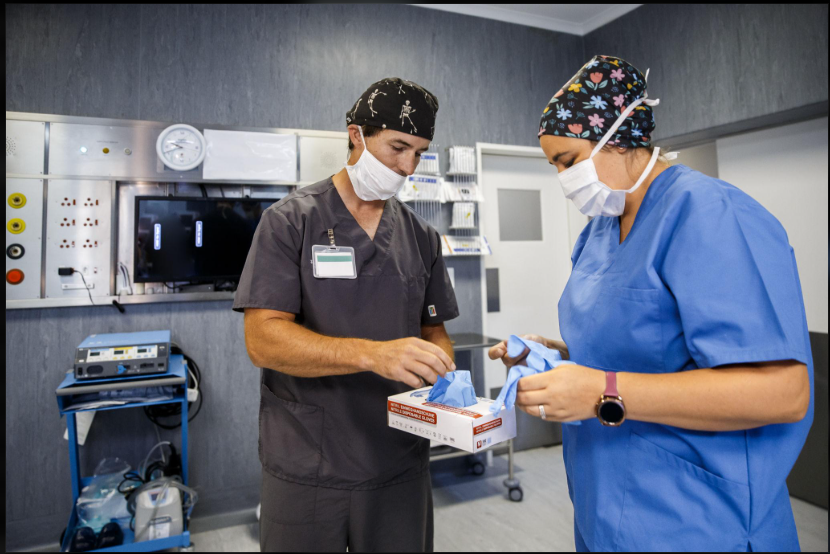
Minor surgery is a medical procedure performed to diagnose, treat, or remove a health problem without requiring a major operation. Examples include removing a small skin lump, draining an abscess, removing a mole, treating an ingrown toenail, and performing certain types of biopsies. These procedures are often completed within a short period, and many patients can return home on the same day.
One of the most common questions patients ask before undergoing a procedure is, how long does it take to recover from minor surgery? The answer depends on the type of surgery, the patient’s general health, the anesthesia used, and how well the surgical wound heals. While some people recover within a few days, others may need several weeks to heal completely.
Understanding the recovery process helps patients prepare for surgery, manage discomfort, prevent complications, and return to their normal activities safely.
How Long Does Recovery from Minor Surgery Usually Take?
In most cases, recovery from minor surgery takes approximately a few days to two weeks, although complete wound healing can take longer depending on the procedure.
For example, a patient who undergoes a small skin biopsy may resume normal daily activities within one or two days. Someone who has a minor procedure involving stitches may need one to two weeks before the wound is sufficiently healed for normal activities.
The following table provides general recovery estimates for common minor surgical procedures.
| Type of Minor Surgery | Typical Initial Recovery |
|---|---|
| Mole or small skin lesion removal | A few days to 2 weeks |
| Minor skin biopsy | A few days to 1 week |
| Ingrown toenail surgery | Several days to 2 weeks |
| Small abscess drainage | A few days to 2 weeks |
| Minor dental surgery | 1–3 days for initial recovery |
| Minor hernia surgery | 1–2 weeks for light activities, sometimes longer |
| Small wound repair with stitches | 1–2 weeks for initial healing |
These are general estimates, not guaranteed recovery times. Deeper wounds, complications, and procedures involving muscles or internal tissues may require considerably longer.
Factors That Affect Recovery Time After Minor Surgery
Although minor surgical procedures are generally associated with shorter recovery periods, several factors can influence how quickly a patient heals.
1. Type of Surgery
The type and location of the operation play an important role in recovery. A small procedure on the surface of the skin usually heals faster than one involving deeper tissues.
For example, removing a small mole may cause only mild discomfort for a few days. However, removing a larger skin lesion may require stitches and additional wound care.
Procedures involving the feet, joints, or areas that move frequently may also take longer to heal because movement can place pressure on the surgical wound.
2. Age and General Health
A patient’s age and general health can influence the healing process. People who are generally healthy may recover faster than those with certain underlying medical conditions.
Conditions such as diabetes, poor circulation, and weakened immunity can slow wound healing and increase the risk of infection. Older adults may also require additional recovery time, although age alone does not determine how quickly someone heals.
3. Type of Anesthesia
Minor surgery may be performed using local anesthesia, regional anesthesia, or general anesthesia.
Local anesthesia numbs the area being treated while the patient remains awake. Recovery is often relatively quick, although numbness may continue temporarily after the procedure.
General anesthesia makes the patient unconscious during surgery and may cause temporary tiredness, nausea, dizziness, or difficulty concentrating afterward. Patients should follow their discharge instructions and avoid driving until it is safe to do so.
4. Wound Care
Proper wound care is essential for successful recovery. Keeping the surgical area clean and following the healthcare professional’s instructions can reduce the risk of infection.
Patients should change dressings as instructed, avoid unnecessary pressure on the wound, and use prescribed medicines correctly. They should not remove stitches, apply unapproved products, or expose the wound to soaking water unless their healthcare professional says it is safe.
5. Lifestyle and Nutrition
A balanced diet, adequate hydration, and sufficient sleep support the body’s natural healing process.
Foods containing protein, vitamins, and minerals help repair damaged tissues. Eggs, fish, beans, lean meat, vegetables, fruits, and whole grains can contribute to a healthy recovery.
Smoking can slow wound healing, while excessive alcohol consumption may interfere with recovery or interact with medication. Patients should follow medical advice about smoking, alcohol, and any medicines they take.
What Happens During the Recovery Process?
Recovery usually happens gradually. Knowing what to expect can help patients understand which symptoms are normal and when they may need medical attention.
The First 24 Hours After Surgery
During the first day, patients may experience mild pain, swelling, tenderness, or bruising around the surgical site. These symptoms are often part of the normal healing process.
Patients should rest, follow the instructions provided by their healthcare team, and take recommended pain relief if necessary.
If sedation or general anesthesia was used, a responsible adult may need to accompany the patient home and stay with them for the period specified by the medical team.
Days 2–3 After Surgery
Many patients begin to feel better within two or three days. Pain and swelling may decrease, and simple activities such as walking around the home may become easier.
However, the surgical area may remain sensitive. Patients should avoid strenuous exercise, heavy lifting, or movements that place pressure on the wound until they receive appropriate guidance.
Not every patient will feel significantly better by the third day. Recovery depends on the procedure and individual circumstances.
Days 4–7 After Surgery
During the first week, discomfort often continues to improve. Some patients can return to work or school if their activities are light and they feel well enough.
The wound may begin to close, although the surface can still be delicate. Patients should continue following wound-care instructions and attend any scheduled follow-up appointments.
If pain becomes worse instead of better, or redness and swelling increase, medical advice should be sought.
Weeks 2–4 After Surgery
Many small surgical wounds are substantially healed within two weeks, but deeper tissues may need additional time.
Some patients can resume most normal activities during this period, depending on their procedure and their healthcare professional’s advice. Stitches may also need removal during this time, although the timing depends on their location and type.
Even when the skin looks healed, the underlying tissue may still be recovering. Patients should return to strenuous activities gradually rather than assuming that the wound is completely healed.
Tips to Recover Faster After Minor Surgery
Although recovery cannot always be accelerated, following appropriate medical advice can support healing and reduce the risk of complications.
Follow your doctor’s instructions. Every surgical procedure is different, so use the discharge instructions provided by your healthcare team as your primary guide.
Keep the wound clean. Follow the recommended cleaning and dressing routine. Do not scrub the surgical site or use antiseptics, creams, or ointments unless advised.
Get enough rest. Adequate sleep gives the body time to repair damaged tissue. Avoid overexertion during the first few days.
Eat nutritious meals. Include protein-rich foods, fruits, vegetables, and other balanced food choices to support tissue repair.
Manage pain appropriately. Take pain medication according to your clinician’s instructions. Ask a healthcare professional before starting new medicines, particularly if you take blood thinners or have other medical conditions.
Avoid smoking. Smoking reduces oxygen delivery to tissues and can delay wound healing. Avoid smoking during recovery, ideally with support to stop completely.
Return to activities gradually. Light walking may be appropriate after many procedures, but strenuous exercise and heavy lifting should wait until your healthcare professional confirms they are safe.
What Are the Warning Signs of Complications After Minor Surgery?
Most patients recover without serious problems. However, complications can occasionally occur, including wound infections, bleeding, or delayed healing.
Contact your healthcare professional if you experience:
- Increasing redness, warmth, or swelling around the wound.
- Pain that becomes more severe instead of improving.
- Pus, unusual discharge, or a persistent unpleasant smell from the wound.
- Fever or chills.
- A wound that opens or fails to heal as expected.
- Bleeding that does not stop after applying firm, continuous pressure as instructed.
Seek urgent medical attention for uncontrolled bleeding, difficulty breathing, chest pain, fainting, or rapidly worsening symptoms.
Early medical assessment can help identify complications and ensure that appropriate treatment is provided.
When Can You Return to Work or Normal Activities?
The time required to return to work depends on the procedure, the patient’s recovery, and the type of job they perform.
People with desk-based jobs may return within one to three days after some minor procedures, provided they feel well enough and are not affected by anesthesia or medication. People whose jobs involve heavy lifting, prolonged standing, physical labor, or repetitive movement may need additional time off.
Driving should be avoided until the patient can move comfortably, react safely, and is no longer affected by sedatives or medicines that impair alertness. Specific instructions from the surgeon should always take priority.
Patients should also ask when they can resume exercise, swimming, bathing, and sexual activity if these could affect the surgical wound.
Does Minor Surgery Leave a Scar?
Some minor surgical procedures leave a small scar, while others heal with little visible evidence. The final appearance depends on the size and depth of the wound, its location, the patient’s skin characteristics, and whether an infection develops.
Scars may appear pink, red, or slightly raised during the early healing period. Their appearance often changes over several months and may continue improving for a year or longer.
Once the wound has completely closed, a healthcare professional may recommend appropriate scar care, such as silicone gel or sheets, and protection from sunlight. Patients should not apply scar treatments to an open or unhealed wound.
Frequently Asked Questions (FAQs)
1. Can I recover from minor surgery in three days?
Yes, some patients feel well enough to resume light daily activities within three days. However, complete wound healing usually takes longer, and the recovery period depends on the procedure.
2. Is it normal to feel tired after minor surgery?
Yes. Tiredness can occur after surgery because of the body’s healing response, disrupted sleep, pain, or anesthesia. Rest and gradual activity can help. Severe or persistent fatigue should be discussed with a healthcare professional.
3. How long should I keep a dressing on after surgery?
This depends on the wound and the type of dressing. Some dressings can be removed after 24–48 hours, while others must remain in place longer. Follow the instructions provided by your healthcare team.
4. When can I exercise after minor surgery?
Light walking may be possible soon after many minor procedures. More strenuous exercise may need to wait several days or weeks. Your surgeon can advise you based on the wound’s location and the procedure performed.
5. When should I contact a doctor after minor surgery?
Contact a healthcare professional if you develop worsening pain, increasing redness, pus, fever, persistent bleeding, or a wound that opens. Seek emergency care for severe symptoms such as difficulty breathing or uncontrolled bleeding.
Conclusion
Recovery from minor surgery generally takes a few days to two weeks for many common procedures, but complete healing may take several weeks or longer. The exact duration depends on the type of surgery, the patient’s health, wound care, and whether complications develop.
Patients can support recovery by resting adequately, eating nutritious meals, keeping the wound clean, taking medication as directed, and gradually returning to normal activities. It is equally important to recognize warning signs and seek medical attention when symptoms worsen.
The most important point is that minor surgery does not mean immediate recovery. Following your healthcare professional’s instructions and allowing sufficient time for healing can help you recover safely and return to your daily routine with confidence.
Leave a Reply