Vitamin D is an essential nutrient that helps the body absorb calcium, maintain strong bones and teeth, and support normal muscle function. It also plays a role in immune system function. When the body does not have enough vitamin D, a person may develop weak bones, muscle discomfort, or other health problems.
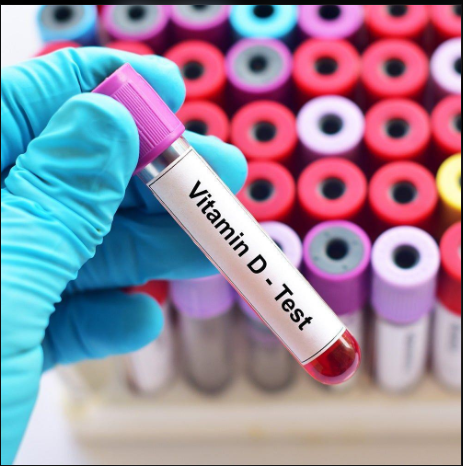
A Vitamin D test is a blood test that measures the amount of vitamin D in the body. Doctors may recommend it when a person has symptoms of deficiency, certain bone conditions, or medical risk factors that could affect vitamin D levels.
If you are planning to get a Vitamin D test in Patna, Bihar, it is helpful to understand the cost, symptoms of deficiency, preparation requirements, and importance of early diagnosis. This guide explains everything you need to know before booking your test.
How Much Does a Vitamin D Test Cost in Patna?
The cost of a Vitamin D test in Patna generally ranges from approximately ₹500 to ₹1,500, depending on the diagnostic laboratory, test package, and available discounts. Some specialised tests or advanced vitamin D profiles may cost more.
Online listings show different prices from diagnostic providers in Patna:
- Redcliffe Labs: Approximately ₹499 on its listed offer.
- Tata 1mg Labs: Approximately ₹800 for a standard Vitamin D test.
- Max Lab: Approximately ₹1,300.
- Metropolis Healthcare: Approximately ₹1,500.
These are indicative prices displayed on provider websites and may change with promotions, location, and booking conditions. Confirm the final price before arranging your test.
Several factors can influence the total cost:
- Diagnostic laboratory: Different laboratories have different pricing structures.
- Type of test: A standard 25-hydroxy vitamin D test may cost less than an advanced vitamin D profile.
- Home sample collection: Some providers include home collection, while others may apply separate conditions or charges.
- Online discounts: Promotional offers may reduce the advertised price.
- Additional tests: Your doctor may recommend calcium, phosphorus, or other investigations depending on your symptoms and medical history.
For most routine assessments of vitamin D status, doctors commonly request a blood test called 25-hydroxyvitamin D, also written as 25(OH)D.
What Is a Vitamin D Test?
A Vitamin D test is a blood investigation that measures the level of 25-hydroxyvitamin D circulating in the blood. This is generally the preferred test for assessing whether a person has sufficient vitamin D.
Vitamin D comes from several sources, including exposure to sunlight, certain foods, and supplements. The body processes vitamin D into forms that help regulate calcium and phosphorus, which are essential for healthy bones.
When vitamin D levels are too low, the body may struggle to absorb enough calcium from food. Over time, severe or prolonged deficiency can contribute to bone weakness and other complications.
The test can help doctors identify deficiency, investigate symptoms, and monitor treatment when necessary. However, not everyone needs routine vitamin D testing. A healthcare professional can determine whether testing is appropriate based on your individual circumstances.
What Are the Symptoms of Vitamin D Deficiency?
Vitamin D deficiency can develop gradually, and some people have no obvious symptoms. When symptoms occur, they may be mild at first and become more noticeable over time.
1. Persistent Tiredness
Some people with low vitamin D levels report fatigue or reduced energy. However, tiredness can have many other causes, including anaemia, thyroid problems, poor sleep, and other medical conditions.
A Vitamin D test may be considered when fatigue occurs alongside other symptoms or risk factors.
2. Bone Pain
Vitamin D helps the body absorb calcium and maintain bone health. A significant deficiency can contribute to bone discomfort or tenderness.
Persistent or unexplained bone pain should be evaluated by a healthcare professional rather than automatically attributed to vitamin D deficiency.
3. Muscle Weakness
Low vitamin D levels may be associated with muscle weakness, aches, or difficulty performing everyday activities. Severe deficiency can affect mobility and increase the risk of falls, particularly among older adults.
4. Frequent Fractures or Weak Bones
Long-term vitamin D deficiency can contribute to poor bone mineralisation. In children, severe deficiency can cause rickets, while adults may develop osteomalacia, a condition in which bones become insufficiently mineralised.
People with recurrent fractures or known osteoporosis may require an assessment of vitamin D status as part of their care.
5. Mood Changes
Some studies have found associations between low vitamin D levels and certain mood conditions. However, this does not mean that vitamin D deficiency is the cause of every episode of low mood or depression.
Persistent mood changes should be discussed with a qualified healthcare professional.
6. Delayed Growth in Children
Severe vitamin D deficiency in children can affect normal bone development and cause rickets. Parents should seek medical advice if a child has bone pain, delayed growth, unusual leg curvature, or other concerning symptoms.
Why Is a Vitamin D Test Important?
A Vitamin D test can provide useful information about bone health and help doctors identify a deficiency when testing is clinically appropriate.
The test is particularly relevant for people who have symptoms of deficiency, conditions affecting nutrient absorption, or certain medical conditions that influence bone health.
Its main benefits include:
Identifying deficiency: The test helps establish whether vitamin D levels are below the appropriate range.
Supporting bone health: Vitamin D is important for calcium absorption and normal bone mineralisation.
Guiding treatment: Results can help a healthcare professional determine whether supplementation or further investigations are appropriate.
Monitoring selected patients: People receiving treatment for a confirmed deficiency or certain bone conditions may need repeat testing according to their doctor’s advice.
A vitamin D result should always be interpreted alongside symptoms, medical history, and other relevant findings.
Who Should Consider a Vitamin D Test?
A doctor may recommend testing for people with certain symptoms or risk factors, including:
- Persistent bone pain or unexplained muscle weakness.
- Osteoporosis or repeated fractures.
- Conditions that affect nutrient absorption, such as certain intestinal disorders.
- Medical conditions that interfere with vitamin D metabolism.
- Suspected vitamin D deficiency based on a clinical assessment.
- Treatment plans that require monitoring of vitamin D levels.
Older adults and people with limited sunlight exposure may have an increased risk of deficiency, but these factors alone do not mean that everyone needs a blood test.
Discuss your symptoms and risk factors with a healthcare professional to determine whether testing is necessary.
Is Fasting Required Before a Vitamin D Test?
Fasting is generally not required before a standard 25-hydroxyvitamin D blood test. You can usually eat and drink normally before the sample is collected.
However, if your doctor has ordered additional blood tests alongside the Vitamin D test, those investigations may have different preparation requirements.
Tell your healthcare provider about any vitamins, supplements, and medicines you take. High doses of biotin, which is found in some hair, skin, and nail supplements, can interfere with certain laboratory tests. Ask the laboratory whether you need to pause biotin before collection, and do not stop prescribed medicines without medical advice.
Most diagnostic providers in Patna offer a straightforward blood collection procedure. Some also provide home sample collection, depending on your location.
How Is a Vitamin D Test Performed?
The test is performed using a blood sample. A trained healthcare professional cleans the skin, usually on the inside of your arm, and inserts a small needle to collect blood into a suitable tube.
The sample is then sent to the laboratory for analysis. The collection process generally takes only a few minutes.
You may feel a brief sting when the needle enters the skin. Mild tenderness or bruising can occasionally occur, but serious complications are uncommon.
Before leaving the collection centre, confirm how and when you will receive your report.
How Long Does It Take to Get Vitamin D Test Results?
Many laboratories in Patna provide Vitamin D test reports within approximately 12 to 24 hours, although some may take longer.
The reporting time depends on the laboratory, the time of sample collection, and whether the test is processed locally or sent to another facility.
When booking, ask about the expected turnaround time and whether the report will be delivered online, through email, by mobile application, or as a printed copy.
What Is a Normal Vitamin D Level?
Vitamin D reports generally show the concentration of 25-hydroxyvitamin D in nanograms per millilitre (ng/mL) or nanomoles per litre (nmol/L).
According to the US National Institutes of Health Office of Dietary Supplements, levels below 12 ng/mL are associated with vitamin D deficiency, while levels of 20 ng/mL or higher are considered sufficient for most people for bone health. The interpretation of levels can vary according to clinical circumstances and professional guidelines.
Your laboratory may display its own reference range. A result should not be interpreted using the number alone because age, medical conditions, calcium levels, and other factors may affect the clinical assessment.
If your result is low, your doctor can recommend appropriate treatment and determine whether other investigations are needed.
How Is Vitamin D Deficiency Treated?
Treatment depends on the severity of deficiency, the person’s age, underlying health conditions, and other clinical factors.
Doctors may recommend vitamin D supplements, dietary changes, or advice about safe sunlight exposure. Foods such as oily fish, egg yolks, and fortified products can contribute to vitamin D intake, although dietary sources alone may not be sufficient for everyone.
Do not take large doses of vitamin D without medical advice. Excessive supplementation can cause dangerously high calcium levels and may damage the kidneys or cause other complications.
If deficiency is confirmed, follow your healthcare professional’s instructions regarding the dose, duration of treatment, and whether repeat testing is necessary.
Frequently Asked Questions
1. What is the cheapest Vitamin D test in Patna?
Some online offers list the standard test at approximately ₹499. Prices vary, so check the current rate and confirm whether sample collection is included.
2. Can I get a Vitamin D test at home in Patna?
Yes. Providers such as Redcliffe Labs and Max Lab advertise home sample collection in Patna, subject to service availability in your area.
3. Is a Vitamin D test painful?
The test requires a small blood sample. You may experience a brief sting, but most people tolerate the procedure well.
4. Can low vitamin D cause bone pain?
Yes. Significant deficiency can contribute to bone pain and poor bone mineralisation. However, bone pain can have many other causes and should be assessed by a healthcare professional.
5. How often should I get a Vitamin D test?
There is no single testing schedule for everyone. Your doctor will recommend repeat testing if it is appropriate based on your symptoms, initial results, treatment, and medical history.
6. Can I take vitamin D supplements before the test?
Tell your doctor about any supplements you are using. Do not start high-dose supplements or stop prescribed treatment without professional advice.
Conclusion
The Vitamin D test cost in Patna generally ranges from approximately ₹500 to ₹1,500 for a standard 25-hydroxyvitamin D test, although prices may be lower during online promotions or higher for specialised tests.
The test helps assess vitamin D status, investigate possible deficiency, and support decisions about bone health and treatment. Symptoms such as bone pain, muscle weakness, and persistent tiredness may warrant medical assessment, but they do not automatically indicate vitamin D deficiency.
Before booking, compare prices from diagnostic providers, confirm the final cost, and check the expected reporting time. Fasting is generally unnecessary for a standard Vitamin D test, but always follow your laboratory’s instructions.
Most importantly, discuss your results with a qualified healthcare professional before starting supplements or making treatment decisions.
Leave a Reply