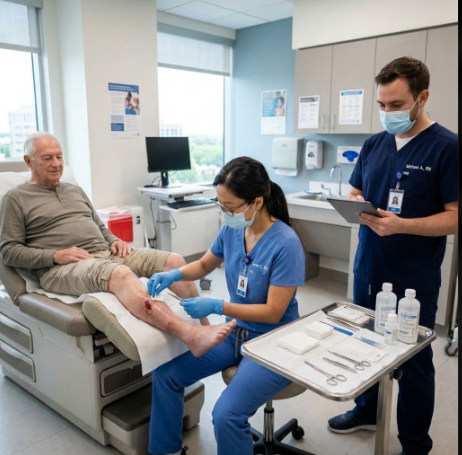
Wound dressing is an important part of wound care ause it helps protect injured skin, reduce the risk of infection, manage drainage, and support the body’s natural healing process. Proper wound dressing is essential in hospitals, clinics, and home care. Whether a wound results from a minor cut, surgery, an accident, or another injury, following appropriate wound care practices can help prevent complications and promote recovery.
Understanding the five basic rules of wound dressing can help patients, caregivers, and healthcare workers maintain a clean wound environment and recognise when professional medical attention is necessary.
What Is Wound Dressing?
Wound dressing is the process of covering a wound with a suitable sterile or appropriately clean dressing to protect the injured area and support healing. Depending on the type of wound, dressing materials may include sterile gauze, non-adherent dressings, absorbent pads, or specialised wound products.
The choice of dressing depends on the wound’s size, depth, location, amount of drainage, and whether infection or another complication is present. Some wounds require professional treatment, particularly surgical wounds, deep injuries, and wounds in people with diabetes or poor circulation.
The 5 Rules of Wound Dressing
1. Wash Your Hands and Maintain Cleanliness
The first and most important rule of wound dressing is to maintain proper hand hygiene. Hands can carry microorganisms that may enter a wound and cause infection.
Before touching the wound or preparing dressing materials, wash your hands thoroughly with soap and clean running water. Dry them with a clean towel. If you are a healthcare professional, follow the recommended hand hygiene procedure and use gloves and other protective equipment when appropriate.
Prepare a clean working surface and gather the required dressing supplies before starting. Use sterile dressing materials when indicated, especially for surgical wounds and wounds requiring sterile technique.
Avoid touching the part of a sterile dressing that will come into direct contact with the wound. If that surface becomes contaminated, replace the dressing with a new one.
Maintaining cleanliness reduces the risk of introducing harmful microorganisms and helps protect the wound during the dressing procedure.
2. Clean the Wound Properly
The second rule is to clean the wound using an appropriate method. Cleaning helps remove dirt, loose debris, and excess drainage that could interfere with healing.
For many minor wounds, gently rinsing with clean running water or sterile saline is appropriate. Follow any specific instructions provided by a healthcare professional, particularly for surgical wounds or wounds requiring specialised care.
Avoid scrubbing the wound aggressively because this can damage delicate healing tissue. Do not routinely pour alcohol, hydrogen peroxide, or strong antiseptic solutions into an open wound unless specifically instructed by a qualified healthcare professional, as some products can irritate tissue and delay healing.
If dirt or a foreign object is deeply embedded, do not attempt to remove it forcefully. Seek medical care.
After cleaning, gently dry the surrounding skin with clean gauze if necessary. Avoid rubbing the wound itself. If the wound is deep, heavily contaminated, or associated with significant tissue damage, professional assessment may be needed.
3. Use the Correct Dressing Material
The third rule is to select a dressing appropriate for the wound. Different wounds require different levels of protection and moisture management.
For example, a small superficial cut may need a sterile adhesive dressing, while a wound producing more fluid may require an absorbent dressing. A dressing that sticks to the wound can cause pain and damage new tissue when removed, so a non-adherent contact layer may be appropriate in certain situations.
The dressing should protect the wound from contamination while allowing suitable moisture balance and absorbing excess drainage. It should also fit the wound properly without restricting circulation or movement.
Avoid applying cotton fibres or materials that may leave particles inside the wound. Do not place powders, creams, antibiotics, or other products on a wound unless they are recommended for that particular injury.
For surgical wounds, burns, pressure injuries, and diabetic foot wounds, follow the treatment plan provided by a healthcare professional rather than choosing a dressing based only on appearance.
4. Change the Dressing at the Appropriate Time
The fourth rule is to change the dressing according to the wound’s needs and the instructions provided by a healthcare professional.
Some dressings can remain in place for several days, while others need more frequent changes. The correct interval depends on the dressing type, wound condition, amount of drainage, and the treatment plan.
Change a dressing sooner if it becomes wet, dirty, loose, or saturated with drainage, following the relevant wound care instructions. Before removing the old dressing, wash your hands and prepare the replacement materials.
Remove the dressing gently. If it sticks to the wound, follow the product instructions or seek advice about moistening it with an appropriate solution rather than pulling it away forcefully.
After removal, observe the wound for changes in colour, swelling, drainage, odour, or pain. Clean the wound if instructed, then apply a fresh dressing using the recommended technique.
Changing a dressing unnecessarily often can disturb healing tissue, while leaving a contaminated or saturated dressing in place can increase complications. Following an appropriate schedule helps balance protection and healing.
5. Monitor the Wound and Watch for Signs of Infection
The fifth rule is to check the wound regularly and recognise signs that may indicate a problem.
During dressing changes, observe whether the wound appears to be healing and whether the surrounding skin has changed. Mild tenderness may occur with some injuries, but worsening symptoms should not be ignored.
Possible signs of infection include:
- Increasing redness or warmth around the wound.
- Increasing swelling or pain.
- Pus or a change in drainage.
- An unpleasant smell that persists after appropriate cleaning.
- Fever, chills, or feeling generally unwell.
Seek prompt medical assessment if these symptoms develop. Rapidly spreading redness, severe pain, confusion, or signs of serious illness require urgent medical attention.
People with diabetes, poor circulation, reduced immunity, or wounds that are not healing should seek professional advice early. A healthcare professional can assess the wound, determine whether additional treatment is necessary, and review tetanus vaccination when relevant.
Monitoring is an essential part of wound dressing because early recognition of complications can prevent a minor injury from becoming a more serious problem.
Additional Tips for Safe Wound Care
In addition to these five rules, protect the wound from unnecessary friction and pressure. Keep the dressing secure but not so tight that it restricts blood flow. Follow instructions about bathing, physical activity, and the use of wound care products.
If you are caring for someone else, explain the procedure before beginning and maintain their privacy and comfort. Record changes in the wound when ongoing professional care is required.
Never ignore a wound that is deep, caused by a serious bite, contaminated with soil, or associated with uncontrolled bleeding. Apply firm direct pressure for significant bleeding and seek emergency assistance when necessary.
Conclusion
The five basic rules of wound dressing are maintaining hand hygiene, cleaning the wound properly, selecting the correct dressing, changing it at the appropriate time, and monitoring for signs of infection. Following these principles helps protect injured tissue and supports the natural healing process.
However, not every wound can be safely managed at home. Deep, infected, surgical, or slow-healing wounds may require professional treatment. When in doubt, consult a qualified healthcare professional for guidance on the safest wound care approach.
Medical disclaimer: This article is intended for general educational purposes and does not replace an individual wound assessment or professional medical advice.
Leave a Reply