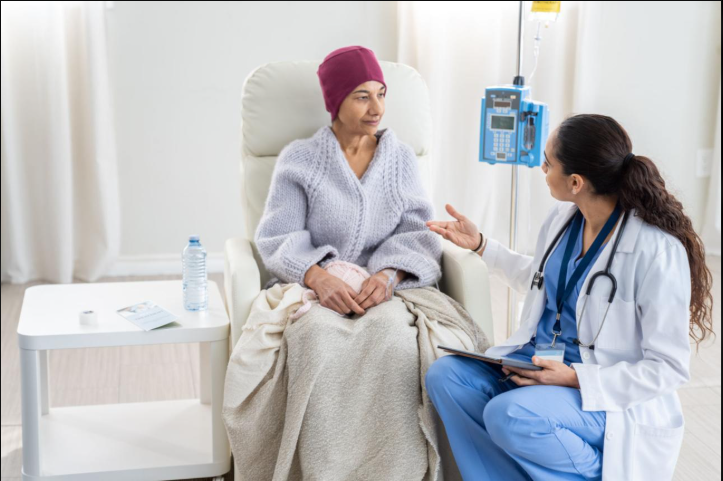
Cancer treatment can be physically and emotionally challenging. Many patients experience fatigue, weakness, changes in appetite, hair loss, pain, and other side effects during or after treatment. One of the most common questions patients and their families ask is: How long does it take to recover from cancer treatment?
The answer varies from person to person. Some people begin feeling better within a few weeks, while others need several months or a year or longer to recover from certain side effects. Recovery depends on the type of cancer, the treatment received, the patient’s overall health, and whether complications occur.
It is also important to understand that recovering from cancer treatment is not the same as being cured of cancer. A patient may complete treatment and still need time to regain strength, manage side effects, attend follow-up appointments, and monitor their health.
This article explains the typical recovery periods after different cancer treatments, factors that affect recovery, common side effects, and ways to support the healing process.
How Long Does Cancer Treatment Recovery Usually Take?
There is no single recovery timeline that applies to every cancer patient. Some side effects improve shortly after treatment ends, while others may continue for months or longer.
In general:
- A few days to several weeks: Some people recover from minor procedures and short-term treatment effects during this period.
- Several weeks to a few months: Many patients gradually regain energy, appetite, and strength after surgery, chemotherapy, or radiation therapy.
- Several months to a year or longer: Some patients experience prolonged fatigue, nerve problems, hormonal changes, or other lasting side effects.
- Long-term follow-up: Certain patients need ongoing rehabilitation, medication, or monitoring for late effects even after completing cancer treatment.
These are broad estimates rather than guarantees. A person’s cancer care team can provide a more realistic timeline based on the treatment plan and medical history.
1. Recovery After Chemotherapy
Chemotherapy uses medicines to destroy cancer cells or stop them from growing. Although it can be effective, it may also affect healthy cells, leading to side effects such as fatigue, nausea, hair loss, mouth sores, and changes in blood cell counts.
How long does chemotherapy recovery take?
Some short-term side effects begin improving within days or weeks after treatment ends. However, overall recovery may take several months, particularly after intensive or prolonged chemotherapy.
The recovery period depends on the medicines used, the number of treatment cycles, the cancer being treated, and the patient’s general health.
Common recovery patterns include:
- Fatigue: Energy may improve gradually over several weeks or months. Some patients experience tiredness for a year or longer.
- Hair loss: When chemotherapy causes hair loss, regrowth often begins within a few months after treatment ends.
- Nausea and appetite changes: These may improve over days or weeks, although some patients need additional support.
- Blood cell counts: Recovery varies by medicine and treatment schedule. Doctors may monitor blood tests until counts improve.
- Numbness or tingling: Certain chemotherapy medicines can cause nerve damage that lasts for months or, occasionally, becomes permanent.
Patients should attend recommended follow-up appointments and report side effects that persist or worsen. They should not assume that every symptom is a normal part of recovery.
2. Recovery After Radiation Therapy
Radiation therapy uses high-energy radiation to destroy cancer cells or prevent them from growing. It is directed at a specific area of the body in many treatment plans, so the side effects depend partly on which area receives radiation.
How long does recovery from radiation therapy take?
Many short-term side effects improve within a few weeks after treatment ends. Other effects may take several months to settle.
For example, skin irritation in the treated area may gradually improve over the weeks following treatment. Fatigue can continue for weeks or months. People receiving radiation to the head, neck, chest, abdomen, or pelvis may experience different symptoms depending on the tissues affected.
Some late effects may appear months or years after treatment. These can include changes in swallowing, bowel function, fertility, or other organ functions, depending on the treatment area and dose.
The cancer care team can explain which side effects are expected and which symptoms need prompt medical attention.
3. Recovery After Cancer Surgery
Surgery may be used to remove a tumour, examine nearby tissues, or reduce the amount of cancer in the body. Recovery depends on the location of the cancer, the extent of the operation, and whether additional treatments are needed.
How long does recovery after cancer surgery take?
After a smaller operation, some patients resume many usual activities within days or a few weeks. Major operations may require several weeks to months for recovery.
Patients may initially experience pain, swelling, tiredness, reduced appetite, or difficulty moving around. Wound healing and the return to normal activities take time.
Recovery may also involve:
- Keeping the surgical wound clean and following dressing instructions.
- Taking prescribed medicines as directed.
- Increasing physical activity gradually.
- Following dietary recommendations.
- Attending wound checks and follow-up appointments.
- Receiving physiotherapy or rehabilitation when needed.
The surgeon may restrict heavy lifting, driving, exercise, or other activities temporarily. Patients should follow their individual instructions rather than comparing their recovery with someone else’s.
4. Recovery After Immunotherapy
Immunotherapy helps the immune system recognize or attack cancer cells. It is used for certain cancers and may be given alone or alongside other treatments.
Recovery after immunotherapy varies widely. Some patients experience mild side effects, while others develop inflammation affecting organs such as the lungs, liver, intestines, thyroid, or heart.
Fatigue may continue during treatment or after it ends. Some immune-related side effects can appear after treatment has stopped and may require ongoing monitoring or treatment.
Patients should contact their cancer care team promptly if they develop new or worsening symptoms. Severe breathlessness, chest pain, confusion, or other serious symptoms require emergency assessment.
5. Recovery During Hormone Therapy and Targeted Therapy
Some cancers are treated with hormone therapy or targeted medicines. These treatments may continue for months or years, depending on the cancer and the treatment plan.
Hormone therapy can cause hot flashes, joint discomfort, changes in sexual health, sleep difficulties, or fatigue. Targeted therapy may cause skin problems, diarrhoea, tiredness, or other medicine-specific effects.
Because these treatments can continue long after surgery or chemotherapy has ended, recovery may be gradual. Some side effects improve after a medicine is changed or stopped, while others require ongoing management.
Patients should not stop cancer medicines without discussing the decision with their oncologist.
What Factors Affect Recovery From Cancer Treatment?
Several factors influence how quickly someone recovers.
Type and stage of cancer
Different cancers require different treatments. A person receiving a short course of treatment may have a different recovery experience from someone undergoing several treatments for advanced cancer.
Type and intensity of treatment
Major surgery, intensive chemotherapy, combined chemotherapy and radiation, and certain immune-based treatments can require longer recovery periods.
Age and general health
Age alone does not determine recovery. Overall fitness, other medical conditions, nutritional status, and physical strength can all influence the healing process.
Side effects and complications
Infections, anaemia, nerve damage, wound problems, and other complications may delay recovery. Early medical assessment can help identify and manage these problems.
Emotional well-being
Anxiety, depression, sleep difficulties, and fear of cancer returning can affect daily life and energy levels. Emotional support and professional counselling may be helpful.
How Can Patients Support Recovery After Cancer Treatment?
Although recovery cannot always be accelerated, several steps can support physical and emotional well-being.
1. Eat a balanced diet: Include suitable sources of protein, vegetables, fruits, whole grains, and fluids. Patients with swallowing difficulties, poor appetite, or significant weight loss may need advice from an oncology dietitian.
2. Stay physically active as advised: Gentle walking and appropriate exercises can help rebuild strength and reduce fatigue. Activity should be adjusted to the patient’s condition and medical instructions.
3. Get adequate rest: Allow time for sleep and short breaks during the day. Gradually return to usual activities rather than pushing through severe exhaustion.
4. Attend follow-up appointments: Doctors may recommend examinations, blood tests, scans, or other monitoring to assess recovery and check for signs of cancer returning.
5. Take medicines correctly: Follow instructions for prescribed medicines and ask the care team before using supplements, herbal products, or non-prescription medicines.
6. Seek emotional support: Family, friends, counsellors, and cancer support groups can help patients cope with the changes that follow treatment.
When Should You Contact a Doctor?
Some side effects need urgent medical attention. Contact the cancer care team immediately if a patient develops a fever during or after chemotherapy, particularly if the team has provided a specific temperature threshold. Fever during chemotherapy can indicate a serious infection.
Seek urgent medical help for severe breathlessness, chest pain, uncontrolled bleeding, confusion, sudden weakness, or rapidly worsening symptoms. Also report persistent vomiting, inability to drink, severe diarrhoea, signs of wound infection, or new and worsening pain.
Patients should follow any emergency instructions provided by their oncology team because the risks vary by treatment.
Frequently Asked Questions
Can a cancer patient recover completely after treatment?
Some patients recover well and remain free of cancer, while others need continuing treatment or monitoring. The outcome depends on the cancer type, stage, response to treatment, and other medical factors. Completing treatment does not automatically mean that cancer has been cured.
Is it normal to feel tired months after cancer treatment?
Yes, fatigue can persist for months after treatment. However, severe or worsening tiredness should be discussed with a healthcare professional because anaemia, infection, thyroid problems, medication effects, and other conditions may contribute.
Does hair always grow back after chemotherapy?
Hair often grows back after chemotherapy ends, but the timing and texture can vary. Some treatments can cause prolonged or permanent hair thinning or loss.
When can a patient return to work after cancer treatment?
Some people return within weeks, while others need several months or longer. The decision depends on energy levels, the type of work, treatment effects, and medical advice. A gradual return or temporary adjustments may help.
Does recovery mean the cancer will not return?
No. Recovery from treatment and the risk of cancer returning are different issues. Follow-up care helps monitor health, manage late effects, and identify potential problems.
Conclusion
Recovering from cancer treatment may take a few weeks, several months, or longer than a year, depending on the treatment and the individual patient. Short-term side effects often improve first, while fatigue, nerve symptoms, hormonal changes, and other late effects may require ongoing care.
A healthy recovery plan includes appropriate nutrition, gradual physical activity, adequate rest, emotional support, and regular medical follow-up. Patients should discuss their symptoms and expected recovery timeline with their oncology team rather than relying on a general estimate.
With the right support and monitoring, many people gradually regain strength and improve their quality of life after cancer treatment.
Medical disclaimer: This article is for educational purposes only and does not replace individualized advice from an oncologist or other qualified healthcare professional.
Leave a Reply