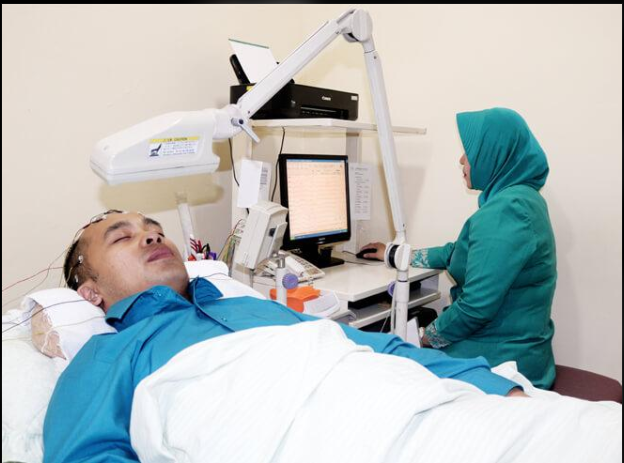
An electroencephalogram (EEG) is a medical test that records the electrical activity of the brain. Doctors commonly recommend an EEG to investigate seizures, epilepsy, unexplained episodes of unconsciousness, and certain sleep-related or neurological conditions. The test uses small metal discs called electrodes attached to the scalp to detect and record brain activity.
If your doctor has recommended an EEG test, following the correct patient instructions can help ensure that the recording is clear and useful. Preparation may include washing your hair, avoiding certain hair products, taking medicines as directed, and following specific sleep instructions.
This article explains the most important patient instructions before, during, and after an EEG test, including what to eat, what to avoid, how the procedure works, and what to expect from the results.
What Is an EEG Test?
An EEG test measures the electrical signals produced by brain cells. These signals are recorded as patterns that a trained specialist can examine for abnormalities.
Doctors may recommend an EEG when investigating suspected epilepsy, seizures, episodes of confusion, unexplained blackouts, or certain sleep disorders. It may also be used in specialised hospital settings to monitor brain activity in critically ill patients.
An EEG does not directly show the physical structure of the brain. Instead, it records electrical activity. If a doctor needs images of the brain’s structure, they may recommend other tests, such as an MRI or CT scan.
There are different types of EEG examinations, including routine EEG, sleep-deprived EEG, ambulatory EEG, and continuous video EEG monitoring. Preparation instructions depend on which type you are scheduled to have.
1. Wash Your Hair Before the EEG Test
One of the most important patient instructions is to arrive with clean, dry hair.
Wash your hair with shampoo before the appointment, preferably on the morning of the test or the evening before. Make sure your hair is dry before arriving unless the testing centre gives you different instructions.
Clean hair helps the technician attach the electrodes properly and obtain a good recording.
Avoid applying the following products after washing your hair:
- Hair oil
- Hair gel
- Hair spray
- Conditioner or leave-in treatments
- Styling creams
- Heavy hair moisturisers
These products can make it difficult for electrodes to maintain good contact with the scalp.
If you have braids, extensions, or another hairstyle that may make scalp access difficult, ask the EEG department whether any preparation is needed. Do not change your hairstyle unnecessarily without checking with the testing centre.
2. Follow Your Doctor’s Instructions About Sleep
Sleep requirements depend on the type of EEG being performed.
For a routine EEG, you may be asked to follow your normal sleep schedule. For a sleep-deprived EEG, however, the healthcare team may instruct you to sleep less than usual or remain awake for a specified period before the appointment.
Sleep deprivation can make certain abnormal brain activity easier to detect in some patients. However, it is not required for every EEG.
Do not deliberately deprive yourself of sleep unless your doctor or EEG department specifically instructs you to do so. If you have epilepsy or a history of seizures, sleep deprivation may increase your risk of having a seizure.
If your appointment involves a sleep-deprived EEG, ask for clear instructions about how many hours you should sleep and whether you need someone to accompany you.
3. Take Your Medicines as Directed
Before your EEG appointment, tell your doctor and the EEG technician about all medicines you take, including prescription medicines, over-the-counter products, vitamins, and herbal supplements.
Some medicines can influence brain activity or affect how the EEG is interpreted. These may include certain anti-seizure medicines, sedatives, and medicines that affect sleep.
However, do not stop taking prescribed medicines or change their doses on your own before an EEG test. Suddenly stopping certain medicines, particularly anti-seizure medicines, can be dangerous and may trigger seizures.
Your doctor will decide whether any medication changes are necessary for the specific examination.
If you have recently started a medicine, changed a dose, or missed doses, inform the healthcare team before the recording begins.
4. Eat Normally Unless You Receive Different Instructions
Most routine EEG tests do not require fasting. In many cases, you can eat your usual meals before the appointment.
Arriving hungry may make you feel uncomfortable, tired, or light-headed, particularly if the appointment takes longer than expected.
However, some specialised procedures may involve additional instructions, especially if sedation or another medical intervention is planned. Follow the guidance provided by your healthcare team.
If you have diabetes or another condition that requires regular meals, discuss your appointment instructions with your healthcare provider before making changes to your eating schedule.
5. Avoid Caffeine if Your Testing Centre Advises It
Coffee, tea, energy drinks, cola, and other caffeinated products can affect alertness and sleep. This may be relevant when an EEG is being performed to investigate sleep-related concerns or when sleep deprivation is part of the preparation.
Some EEG departments ask patients to avoid caffeine for a specified period before the test, while others do not require this.
Ask your testing centre whether you should avoid caffeine and for how long. Do not assume that the same restrictions apply to every EEG.
Also, avoid recreational drugs and alcohol before the examination. Tell your doctor honestly about any recent substance use because it may affect the interpretation of the recording or your safety.
6. Wear Comfortable Clothing
Choose comfortable clothing that is easy to wear during the examination.
A loose-fitting shirt or top is often suitable. If you are having a prolonged EEG or video monitoring, comfortable clothes can make it easier to sit or lie down for an extended period.
Avoid wearing bulky headwear, hair accessories, or items that interfere with access to your scalp.
If you wear glasses, hearing aids, or other assistive devices, ask the technician whether you can keep them on during the procedure.
You may also want to bring a list of your current medicines, your referral documents, and any previous EEG reports if they are available.
7. Tell the Healthcare Team About Your Medical History
Before the EEG begins, provide relevant information about your symptoms and medical history.
Tell the doctor or technician if you have experienced:
- Seizures or episodes of unexplained shaking
- Loss of consciousness or blackouts
- Sudden confusion or memory gaps
- Sleep disturbances
- Recent head injuries
- Previous neurological conditions
- Any recent changes in your medicines
If you have epilepsy, explain when your most recent seizure occurred and whether you have noticed any changes in your symptoms.
If you have a history of fainting, severe anxiety, or difficulty remaining still, tell the staff before the recording begins. This information can help them prepare for your needs.
8. What Happens During an EEG Test?
An EEG is usually painless and does not involve needles entering the brain.
The procedure generally follows these steps:
Step 1: Preparation. The technician explains the procedure and helps you get comfortable in a chair or on an examination bed.
Step 2: Electrode placement. Small electrodes are attached to your scalp using a suitable adhesive or conductive paste. The technician may measure different areas of your head to position them correctly.
Step 3: Recording brain activity. You will be asked to relax and remain as still as possible while the machine records your brain’s electrical signals.
Step 4: Following instructions. Depending on the examination, you may be asked to open and close your eyes, breathe deeply for a short period, or look at a flashing light. These procedures are known as activation techniques and are used only when appropriate.
Step 5: Completion. Once the recording is finished, the electrodes are removed and the technician cleans away any remaining paste or gel.
A routine EEG commonly takes around 20–40 minutes for the recording itself, although the entire appointment may take longer. Sleep-deprived, ambulatory, and video EEG examinations can require substantially more time.
9. What Should You Know About Deep Breathing and Flashing Lights?
Some EEG examinations include special procedures to assess how the brain responds to certain stimuli.
Hyperventilation involves breathing deeply at a specified rate for a short period. Photic stimulation involves looking at a flashing light at different frequencies.
These techniques may help reveal abnormal electrical activity in selected patients. However, they are not suitable for everyone.
Tell the technician if you have any medical conditions that could affect whether these procedures are appropriate. Follow the instructions provided and immediately report any unusual symptoms.
Do not attempt to reproduce these procedures at home to test your brain activity.
10. Instructions After the EEG Test
For most routine EEG examinations, patients can return to their normal activities immediately afterward.
You may notice some sticky residue or mild irritation where the electrodes were attached. Washing your hair can usually remove any remaining paste or gel.
If your EEG required sleep deprivation, you may feel tired afterward. Arrange transportation if you have been instructed not to drive, feel excessively sleepy, or have a seizure risk that makes driving unsafe.
If you were given a sedative for a specialised procedure, follow the discharge instructions. You may need someone to accompany you and may be told not to drive or operate machinery for a specified period.
Contact your healthcare provider if you experience persistent scalp irritation or another unexpected problem after the test.
11. How Long Does It Take to Get EEG Results?
The time required to receive EEG results varies depending on the testing centre, the type of examination, and whether a specialist needs to review a prolonged recording.
A routine EEG report may be available within a few days, although some centres provide results sooner and others take longer. Ambulatory and video EEG recordings may require additional time because they contain much more information.
A trained specialist, usually a neurologist or another qualified clinician with EEG expertise, interprets the recording.
A normal EEG does not completely rule out epilepsy or a seizure disorder. Abnormal findings also do not automatically mean that a person has epilepsy. Results must be interpreted alongside symptoms, medical history, and other investigations.
Your doctor will explain the findings and determine whether further testing or treatment is needed.
Frequently Asked Questions
1. Do I need to fast before an EEG test?
Usually, no. Most routine EEG examinations do not require fasting. Follow your testing centre’s instructions if your appointment involves sedation or another specialised procedure.
2. Can I wash my hair before an EEG?
Yes. Washing your hair before the test is recommended. Avoid oils, gels, sprays, and other styling products that may interfere with electrode contact.
3. Can I take my epilepsy medicine before an EEG?
Continue your prescribed medicine unless your doctor specifically instructs you otherwise. Never stop anti-seizure medication without medical supervision.
4. Is an EEG test painful?
No. A routine EEG is generally painless. You may feel mild pressure when the electrodes are attached, and the paste may leave residue in your hair.
5. Can I drive after an EEG test?
Many people can resume normal activities after a routine EEG. However, follow your doctor’s advice and local driving rules, particularly if you have seizures, have been sleep-deprived, or have received sedation.
6. How long does an EEG test take?
A routine recording often takes around 20–40 minutes, but the total appointment may be longer. Specialised EEG tests may last several hours or even days.
7. Can an EEG confirm epilepsy?
An EEG can provide important evidence when investigating epilepsy, but it cannot confirm or exclude the condition in every case. Doctors interpret the result alongside the patient’s symptoms and medical history.
Conclusion
Preparing properly for an EEG test helps the healthcare team obtain a useful recording of your brain’s electrical activity. The most important patient instructions include washing your hair, avoiding styling products, taking medicines as directed, and following any specific sleep or caffeine instructions provided by the testing centre.
Most routine EEG tests do not require fasting and are painless. During the procedure, remain as relaxed and still as possible and follow the technician’s instructions.
After the test, most patients can return to their usual activities, although additional precautions may be necessary after sleep deprivation or sedation. Finally, discuss your EEG report with your doctor, who can explain the findings and recommend any further investigations or treatment based on your individual circumstances.
Leave a Reply