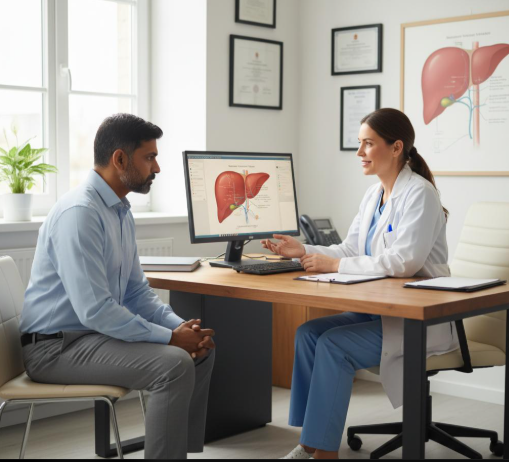
The liver is one of the most important organs in the human body. It helps digest food, processes nutrients, removes harmful substances from the blood, produces bile for digestion, and stores essential vitamins and minerals. It also plays a major role in blood clotting and maintaining the body’s overall health.
When the liver becomes damaged or stops functioning properly, several symptoms may develop. However, liver problems do not always cause noticeable signs in their early stages. Some conditions, including fatty liver disease, hepatitis, and early-stage liver scarring, may remain unnoticed for months or even years.
Understanding the common symptoms of liver problems can help people recognize warning signs and seek medical attention before complications develop. In this article, we explain the major symptoms of liver disease, their possible causes, when to see a doctor, and how to protect your liver.
1. Yellowing of the Skin and Eyes
One of the best-known symptoms of liver problems is jaundice. It occurs when the skin and the whites of the eyes become yellow.
Jaundice develops when bilirubin, a yellow substance produced during the normal breakdown of red blood cells, builds up in the bloodstream. A healthy liver processes bilirubin and helps the body remove it. When the liver is damaged or bile flow is blocked, bilirubin can accumulate.
Possible causes include hepatitis, severe liver disease, bile duct obstruction, and certain other medical conditions.
Jaundice should never be ignored, particularly when it appears suddenly or is accompanied by abdominal pain, fever, vomiting, or confusion. Anyone experiencing new yellowing of the eyes or skin should seek prompt medical evaluation.
2. Persistent Fatigue and Weakness
Unusual tiredness is another common symptom associated with liver disease. A person may feel exhausted even after getting enough sleep or performing only light activities.
The liver helps the body process nutrients and maintain energy balance. When its function is affected, people may experience weakness, reduced stamina, and difficulty concentrating.
However, fatigue is not specific to liver problems. It can also result from anemia, infections, sleep disorders, stress, thyroid conditions, and other illnesses.
If persistent tiredness occurs alongside other symptoms, such as jaundice, dark urine, abdominal swelling, or unexplained weight loss, a medical assessment is important.
3. Pain or Discomfort in the Upper Right Abdomen
The liver is located in the upper-right part of the abdomen, beneath the ribs. Some liver conditions can cause discomfort or a feeling of fullness in this area.
The pain may feel dull, aching, or like pressure beneath the right ribs. In some cases, an enlarged liver can stretch the surrounding tissue and cause discomfort.
Possible causes include liver inflammation, fatty liver disease, and other conditions affecting the liver or nearby organs.
Not every case of right-sided abdominal pain is related to the liver. Gallbladder problems, digestive conditions, and muscle injuries can cause similar symptoms. Severe or sudden abdominal pain requires urgent medical assessment.
4. Dark-Coloured Urine
Urine that appears unusually dark, such as tea-coloured or brown, may sometimes indicate a liver or bile-related problem.
When bilirubin builds up in the blood, excess bilirubin may pass into the urine, making it darker than usual. This can occur in certain types of hepatitis, bile duct obstruction, and other liver conditions.
Dark urine can also result from dehydration, some medicines, foods, or other medical conditions.
If dark urine persists despite drinking enough fluids, particularly when accompanied by pale stools or yellow eyes, consult a healthcare professional.
5. Pale or Clay-Coloured Stools
Healthy stool usually has a brown colour because of substances produced during bile processing.
When bile cannot reach the intestines normally, stools may become pale, greyish, or clay-coloured. This can happen when bile flow is blocked or affected by certain liver conditions.
Pale stools are especially concerning when they occur together with jaundice, dark urine, itching, or abdominal discomfort.
Repeated pale stools should be medically evaluated to identify the underlying cause.
6. Itchy Skin
Persistent itching without an obvious rash can sometimes be associated with liver disease, especially conditions that interfere with the normal flow of bile.
Certain substances, including bile-related compounds, may accumulate in the body and contribute to itching. The discomfort may affect several areas of the body and can become worse at night.
However, itchy skin is much more commonly caused by dry skin, allergies, eczema, medication reactions, or other conditions.
If itching is persistent, unexplained, or accompanied by jaundice, dark urine, or pale stools, seek medical advice.
7. Swelling of the Abdomen or Legs
Advanced liver disease can cause fluid to accumulate in the abdomen, a condition called ascites. The abdomen may gradually become larger, tight, or uncomfortable.
Fluid may also collect in the feet and ankles, causing swelling known as edema.
These symptoms can occur when severe liver damage affects blood flow through the liver and reduces the body’s ability to maintain normal fluid balance. Reduced production of albumin, a protein made by the liver, can also contribute.
Abdominal swelling can have several causes, including heart disease, kidney disease, and other medical conditions. New or unexplained swelling should be assessed by a healthcare professional.
8. Nausea, Vomiting, and Loss of Appetite
Some people with liver problems experience nausea, vomiting, or reduced interest in food. They may feel full quickly or find it difficult to eat normal meals.
These symptoms can occur during liver inflammation or other illnesses affecting the digestive system. They are not specific to liver disease and may also result from infections, food-related illness, pregnancy, medication side effects, or stomach disorders.
Persistent vomiting, inability to keep fluids down, or symptoms accompanied by severe abdominal pain or jaundice require prompt medical attention.
9. Unexplained Weight Loss
Losing weight without changing eating habits or increasing physical activity can sometimes indicate an underlying health problem.
People with advanced liver disease may lose weight because of reduced appetite, poor nutrient processing, nausea, or changes in muscle metabolism. They may also experience muscle wasting and reduced physical strength.
Unintentional weight loss does not automatically mean someone has liver disease. However, unexplained weight loss should be investigated, particularly when accompanied by persistent fatigue, abdominal discomfort, or other warning signs.
10. Easy Bruising and Bleeding
The liver produces many proteins required for normal blood clotting. When liver function becomes significantly impaired, the body may not produce enough of certain clotting factors.
As a result, some people may bruise more easily, experience frequent nosebleeds, or bleed longer than expected after minor injuries.
These symptoms can also be caused by blood disorders, medications, nutritional deficiencies, and other medical conditions.
Unusual bleeding should be assessed promptly. Vomiting blood or passing black, tar-like stools requires emergency medical care.
11. Confusion and Difficulty Concentrating
Severe liver disease can sometimes affect brain function. This complication is called hepatic encephalopathy.
It occurs when the damaged liver cannot adequately process certain substances, allowing them to affect the brain. Symptoms may include confusion, forgetfulness, unusual behaviour, difficulty concentrating, sleep pattern changes, and excessive drowsiness.
Severe cases can lead to reduced consciousness or coma.
Sudden confusion, difficulty waking up, or major changes in behaviour in someone with possible liver disease require emergency medical attention.
12. Other Possible Signs of Liver Problems
Depending on the underlying condition, other symptoms may include:
- Muscle loss: A reduction in muscle size and strength, particularly in advanced disease.
- Changes in sleep: Difficulty sleeping at night or unusual sleepiness during the day.
- Fever: Sometimes associated with infections or inflammation affecting the liver or bile ducts.
- Reduced libido: Hormonal changes may occur in some people with chronic liver disease.
- Visible changes in blood vessels: Small, spider-like blood vessels may appear on the skin in some people with chronic liver disease.
These signs are not enough to diagnose a liver condition. A healthcare professional must consider the person’s symptoms, medical history, examination, and test results.
What Are the Common Causes of Liver Problems?
Liver problems can develop for several reasons. Common causes include:
- Fatty liver disease: Fat accumulates in the liver and may cause inflammation or damage in some people.
- Viral hepatitis: Hepatitis viruses, particularly hepatitis B and C, can cause liver inflammation and long-term damage.
- Alcohol-related liver disease: Excessive alcohol consumption can lead to fatty liver, inflammation, and cirrhosis.
- Medication-related liver injury: Certain medicines and supplements can damage the liver, particularly when used incorrectly.
- Autoimmune liver diseases: The immune system mistakenly attacks the liver or bile ducts.
- Bile duct problems: Blocked or damaged bile ducts can interfere with the movement of bile.
- Inherited conditions: Certain genetic disorders can cause harmful substances to accumulate in the liver.
Identifying the cause is essential because treatment depends on the specific condition and how much damage has occurred.
How Are Liver Problems Diagnosed?
Doctors may recommend several tests depending on the symptoms and medical history.
Blood tests: Liver blood tests may measure enzymes such as ALT and AST, bilirubin, albumin, and other markers. Additional tests may check blood clotting and screen for hepatitis. Abnormal results do not always mean permanent liver damage, and normal results do not completely rule out liver disease.
Ultrasound: An abdominal ultrasound can help identify fatty changes, liver enlargement, certain masses, and some problems affecting the bile ducts.
Additional imaging: CT scans, MRI, or specialised liver stiffness tests may be recommended when necessary.
Other investigations: In selected cases, a doctor may recommend additional blood tests or a liver biopsy to establish the diagnosis.
The appropriate investigations depend on the suspected cause and the person’s overall condition.
When Should You See a Doctor?
Seek medical advice if you experience persistent fatigue, unexplained weight loss, recurring discomfort in the upper-right abdomen, ongoing itching, dark urine, pale stools, or swelling in the abdomen or legs.
Seek urgent medical attention if you develop new jaundice. Go to an emergency department immediately for confusion, vomiting blood, black tar-like stools, severe abdominal pain, difficulty waking up, or significant bleeding.
Do not wait for multiple symptoms to appear before seeking help. Some liver diseases have few early warning signs.
How Can You Protect Your Liver?
You can reduce certain risks by adopting healthy habits:
- Limit or avoid alcohol, especially if you have a liver condition.
- Maintain a healthy weight and exercise regularly.
- Eat a balanced diet with vegetables, fruits, whole grains, and appropriate portions.
- Avoid taking more than the recommended dose of medicines, including paracetamol.
- Do not use unregulated supplements or herbal remedies without medical advice.
- Ask a healthcare professional about hepatitis A and B vaccination when appropriate.
- Consider hepatitis screening if you have relevant risk factors.
- Attend recommended medical check-ups if you have diabetes, obesity, or other risk factors for liver disease.
These measures can lower some risks, but they cannot prevent every type of liver condition.
Frequently Asked Questions
What is the first sign of liver problems?
There is no single first sign. Some people experience fatigue, reduced appetite, or mild abdominal discomfort, while others have no noticeable symptoms until the disease becomes advanced.
Can liver problems occur without pain?
Yes. Many liver conditions, including fatty liver disease and chronic hepatitis, may develop without obvious pain or other symptoms.
Can liver problems be cured?
Some liver conditions can be treated or reversed, particularly when identified early. Other conditions may require long-term management. The outcome depends on the cause, severity, and presence of complications.
Which test checks liver health?
Doctors commonly use liver blood tests, including ALT, AST, bilirubin, and albumin measurements. Depending on the situation, they may also recommend an ultrasound, hepatitis tests, or other investigations.
Is dark urine always a sign of liver disease?
No. Dark urine can result from dehydration, medicines, foods, or other conditions. However, persistent dark urine accompanied by yellow eyes or pale stools should be evaluated promptly.
Conclusion
The common symptoms of liver problems include jaundice, persistent fatigue, upper-right abdominal discomfort, dark urine, pale stools, itching, abdominal swelling, nausea, unexplained weight loss, easy bruising, and confusion in advanced disease.
These symptoms can have causes other than liver disease, so they should not be used to diagnose a condition on their own. Because liver problems can develop silently, early medical evaluation and appropriate testing are important.
If you notice persistent or unusual symptoms, consult a qualified healthcare professional. Early diagnosis can help identify the cause, guide treatment, and reduce the risk of serious complications.
Leave a Reply